GlobalFoundries Wins $300M US Grant for AI Chip Photonics
The U.S. Commerce Department is giving GlobalFoundries up to $300 million to build optical links for AI chips, part of an $874 million CHIPS push across seven firms.
Read more →This project is suspended: no new articles or editions will be published. The archive stays available.
100 articles
The U.S. Commerce Department is giving GlobalFoundries up to $300 million to build optical links for AI chips, part of an $874 million CHIPS push across seven firms.
Read more →ChangXin Memory Technologies raised $8.6 billion in a record Shanghai IPO, then surged as much as 466% on debut, becoming China's most valuable mainland-listed firm and rattling Micron and SK Hynix shares.
Read more →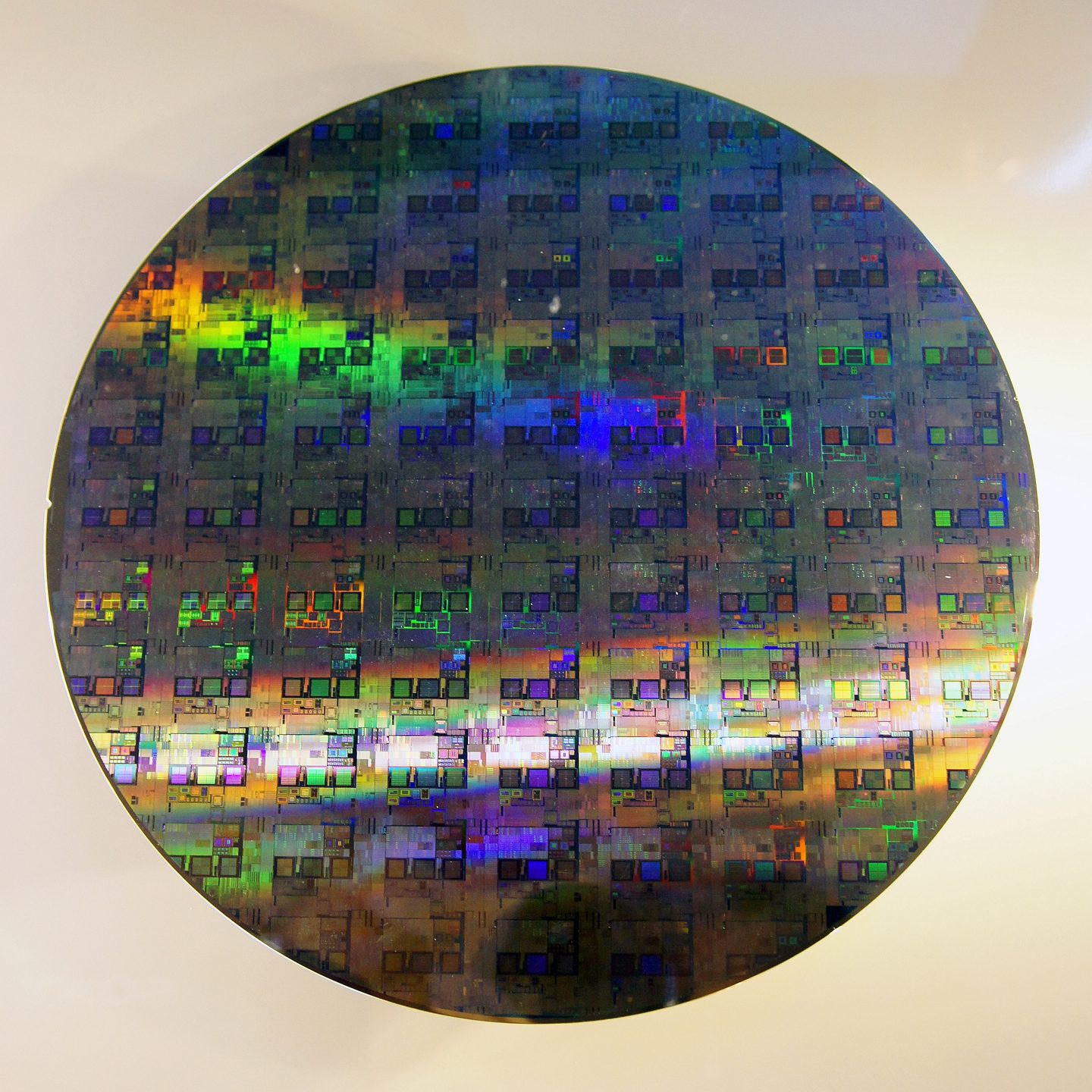
EUV lithography is the ultra-precise process that etches modern AI chips — and only one company in the world, ASML, can build the machines that do it.
Read more →A Chinese state-backed firm has begun mass-producing homegrown immersion DUV lithography machines for its chipmakers, briefly rattling global semiconductor-equipment stocks.
Read more →
A wafer-scale chip turns an entire silicon wafer into one giant processor instead of cutting it into hundreds of separate chips. Here's how it works, and why it's built for fast AI inference.
Read more →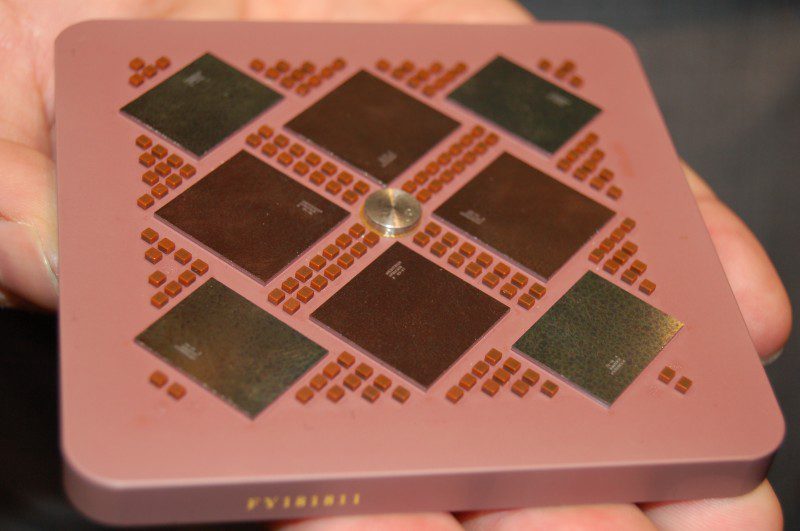
Advanced packaging fuses multiple silicon dies into one AI chip. Here's how it works, and why it — not raw chip fabrication — has become the industry's tightest supply bottleneck.
Read more →Samsung Electronics and Broadcom signed a memorandum of understanding worth more than $200 billion covering memory, chip manufacturing and packaging for AI accelerators through 2030.
Read more →
Groq builds ultra-fast AI inference chips called LPUs — a hardware company often confused with xAI's chatbot Grok. Here's what actually separates them, and what Nvidia's $20 billion deal changed.
Read more →
Huawei is a Chinese tech giant now racing to build its own AI chips and cloud infrastructure after US export controls cut off its access to Nvidia's GPUs.
Read more →Disaggregated inference splits an AI model's two work stages onto separate chips built for each job — a technique now expanding beyond Nvidia to AMD and Cerebras hardware.
Read more →
Qualcomm built its business on the Snapdragon chips inside most Android phones — and is now challenging Nvidia with AI chips built for data centers.
Read more →
A system-on-module packs a processor, memory, and networking onto one small board. Here's what it is, how it works, and why robotics and edge-AI makers build on top of one instead of a raw chip.
Read more →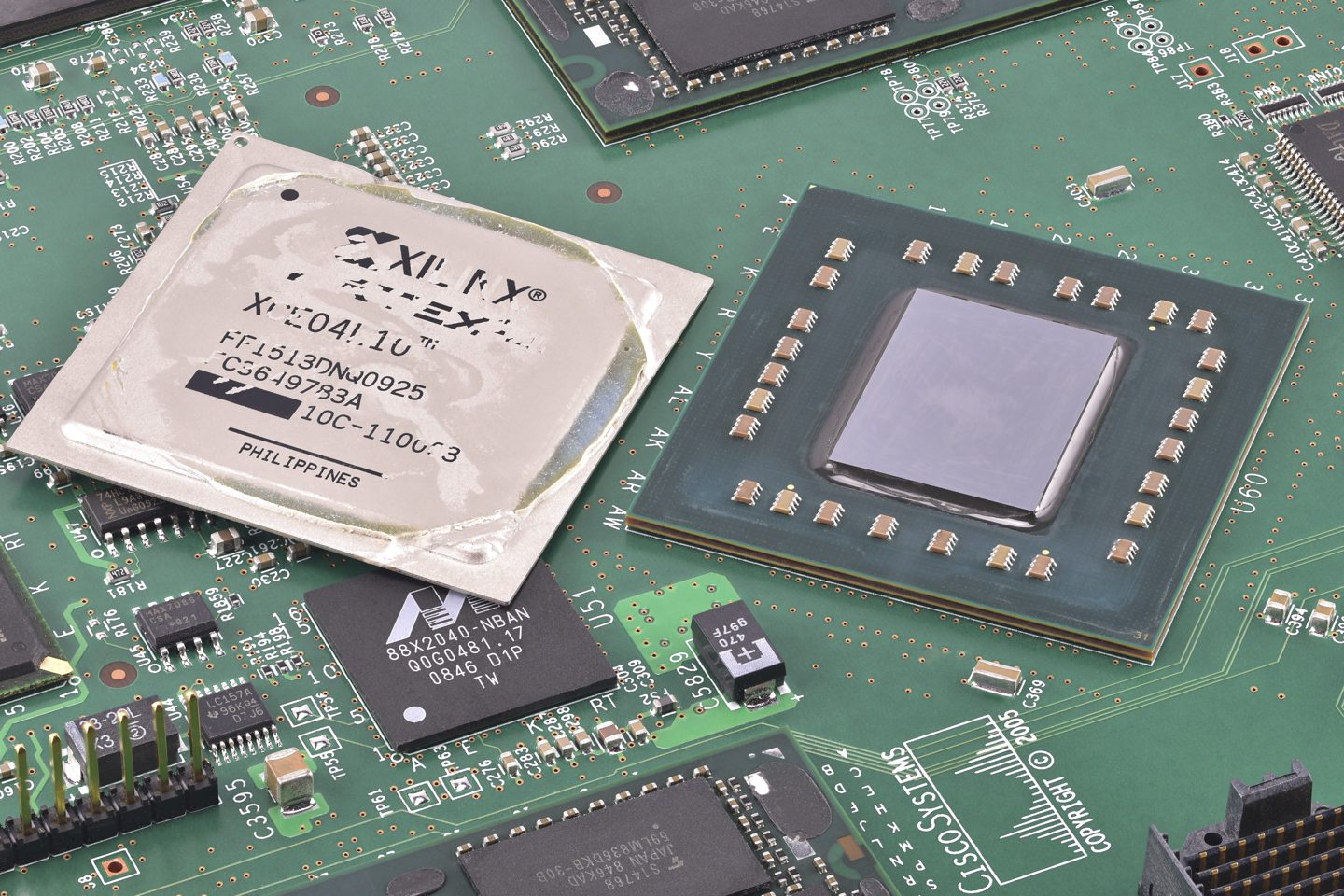
FPGAs are chips that can be rewired after manufacturing. Here's what that means, how they compare to GPUs and ASICs, and why AI and robotics hardware increasingly relies on them.
Read more →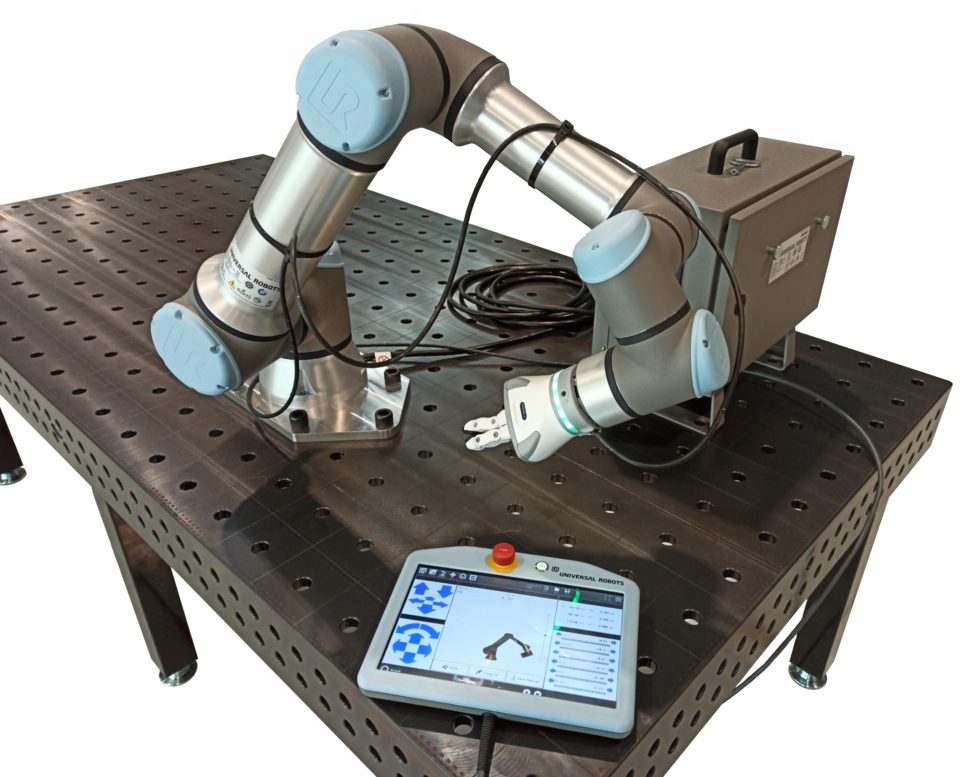
Edge AI runs directly on robots, cameras, and machines instead of in the cloud, cutting reaction time from hundreds of milliseconds to microseconds.
Read more →AMD launched a Kria AI system-on-module and robotics developer platform for physical AI, claiming faster real-time control than Nvidia's Jetson Thor chips.
Read more →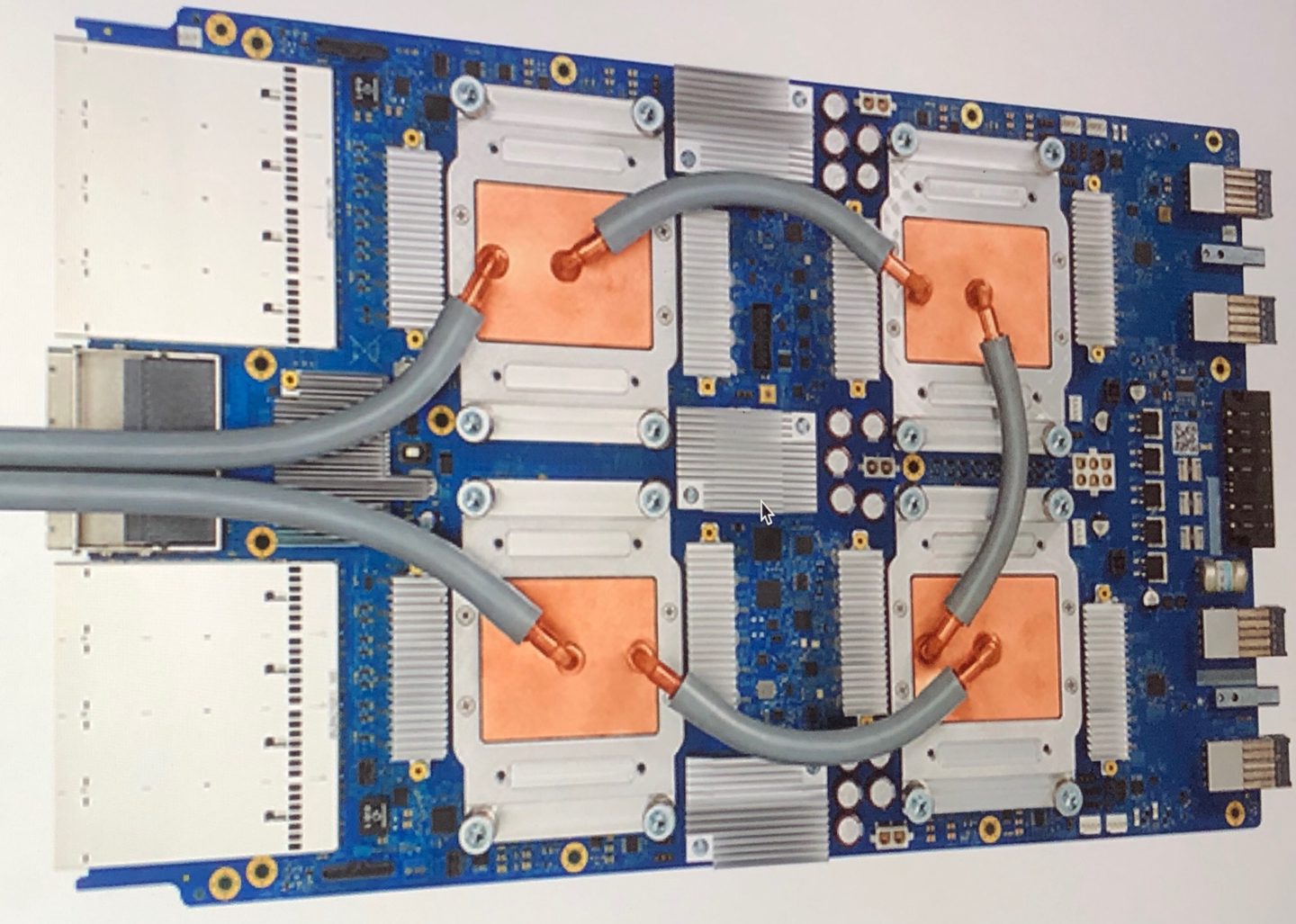
A TPU is Google's custom AI chip, purpose-built to run the matrix math behind neural networks — and now rented out by the gigawatt to power rival labs' models too.
Read more →AMD will invest up to $5 billion in Anthropic and supply as much as 2 gigawatts of Instinct MI450 GPUs, one of the chipmaker's biggest moves yet against Nvidia.
Read more →
AMD Instinct is AMD's line of data-center GPUs built to train and run AI models — the main hardware challenger to Nvidia's dominance in AI computing.
Read more →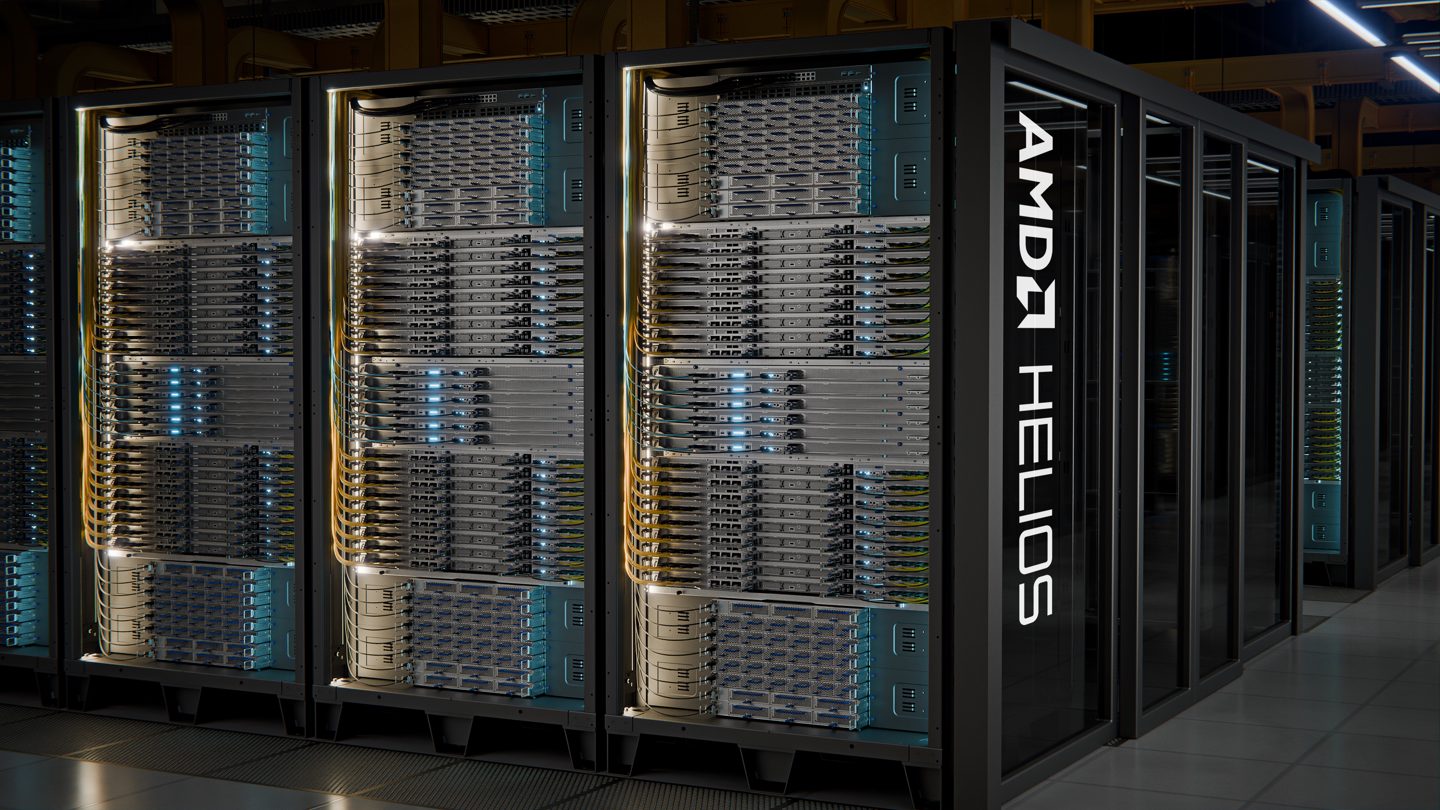
AMD unveiled its Instinct MI400 AI chips and Helios rack systems on July 23, claiming 34x faster inference, with OpenAI, Meta and Anthropic on hand.
Read more →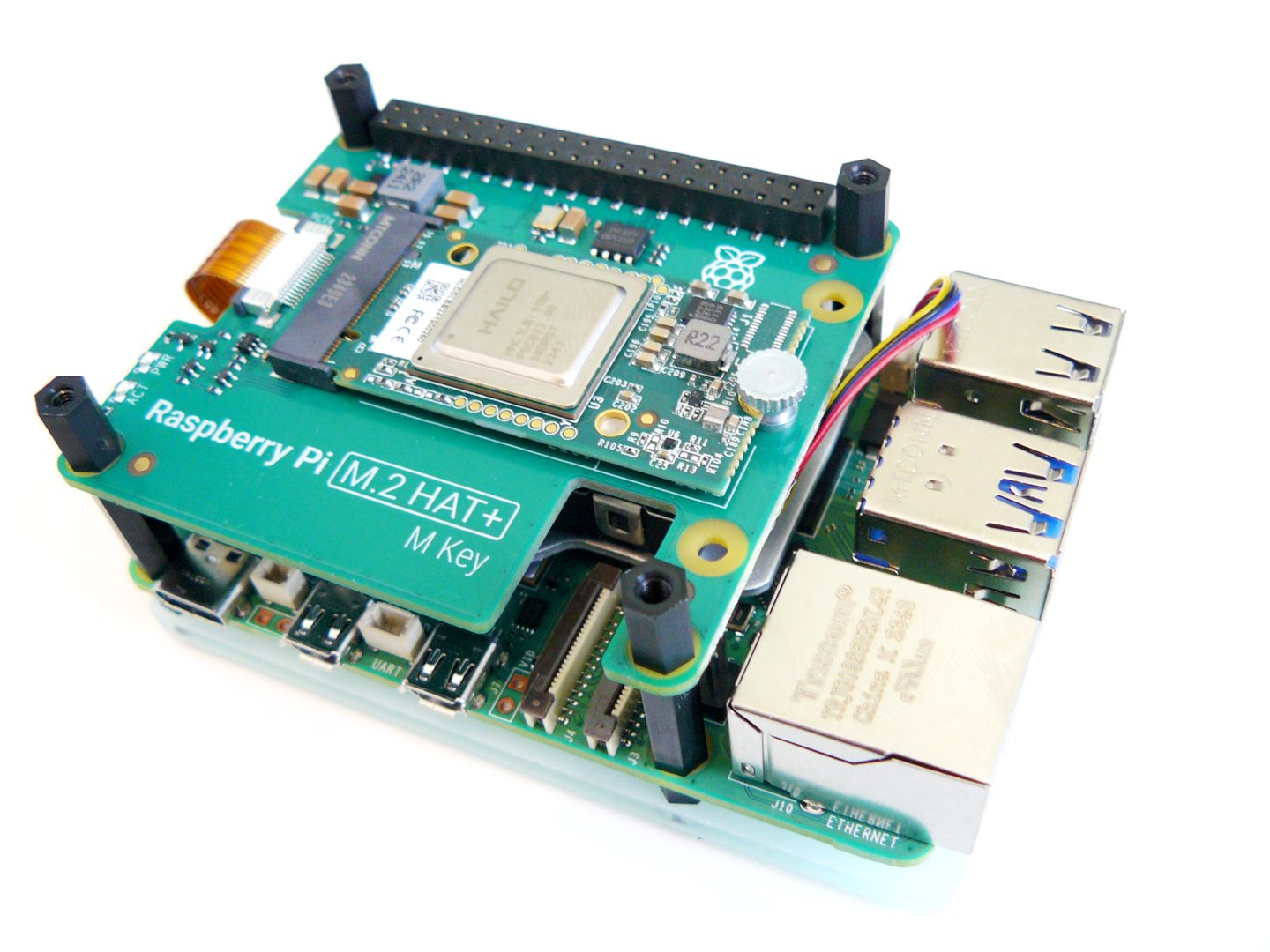
An AI PC pairs a normal processor with a dedicated NPU chip that runs AI features like transcription, translation, and image generation locally, without sending data to the cloud.
Read more →Moonshot AI has paused new sign-ups for its Kimi K3 chatbot after demand outpaced its GPU capacity within days of launch, while keeping its July 27 open-weight release on schedule.
Read more →