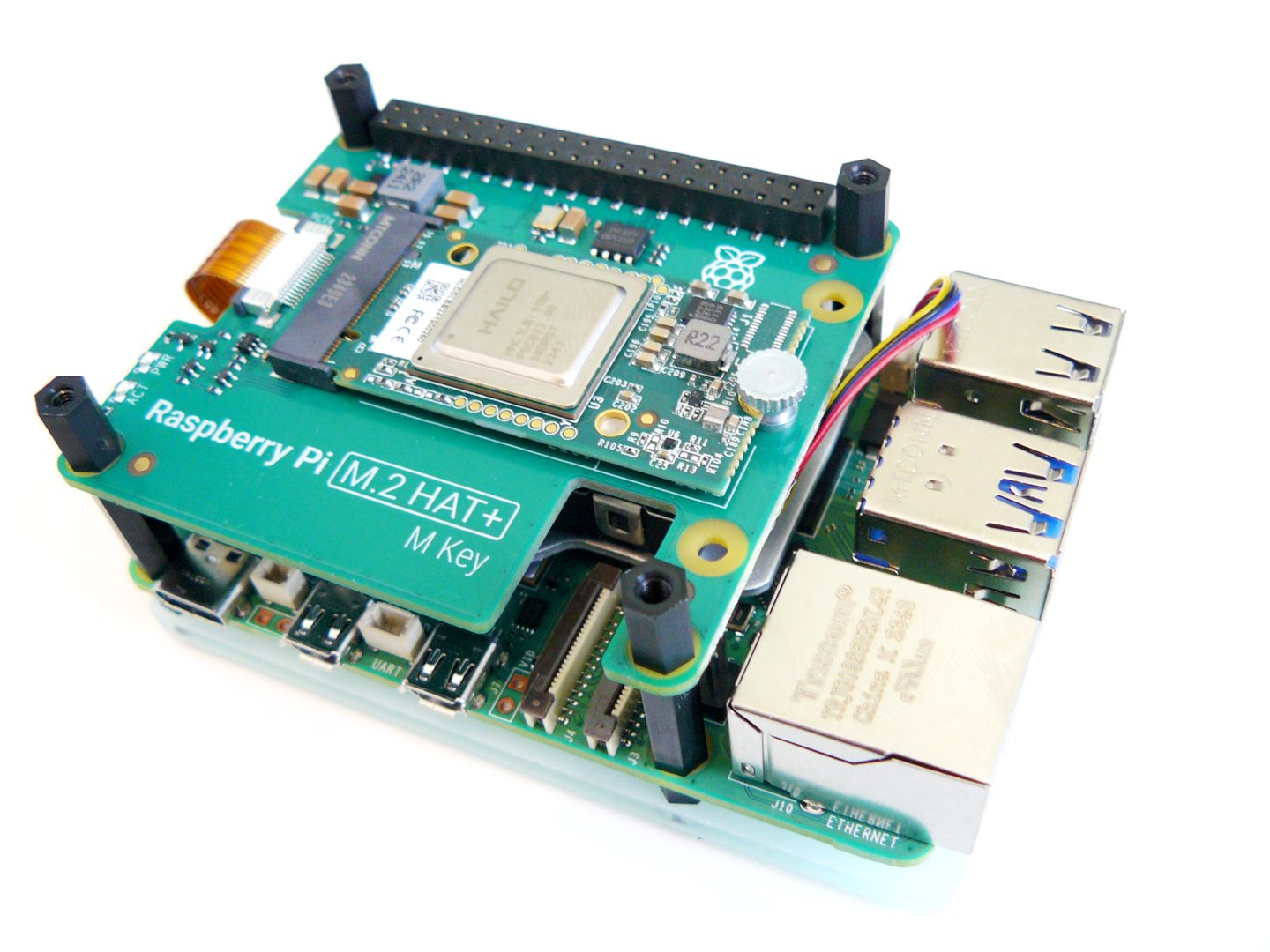
An AI PC is a computer built around a dedicated chip for AI workloads — a neural processing unit, or NPU — alongside its regular CPU and GPU. The NPU lets the laptop run AI features like live transcription, background blur, or image generation directly on the device, instead of sending every request to a cloud server. That shift is why, since 2024, most major laptop makers have started marketing new models as “AI PCs.”
What makes a PC an “AI PC”
A regular computer already has two kinds of processors: a CPU (general-purpose, handles everything) and often a GPU (built for graphics and parallel math). An NPU is a third, more specialized chip — it’s built almost exclusively for the matrix multiplication that neural networks rely on, and it does that work using far less power than a CPU or GPU would need for the same task. That efficiency matters most on a laptop, where every watt comes out of battery life.
NPU performance is usually measured in TOPS — trillions of operations per second. As of mid-2026, the chips shipping in new laptops range from around 45–55 TOPS (Intel’s Core Ultra Series 3 and AMD’s Ryzen AI 400 chips) up to roughly 80–85 TOPS (Qualcomm’s Snapdragon X2 Elite). Apple’s Neural Engine, built into every M-series Mac and iPhone 15 Pro or later, runs at a broadly comparable scale, though Apple doesn’t market it with a TOPS figure the way Windows chipmakers do.
The industry’s line in the sand: Copilot+ PC
Microsoft turned “AI PC” into a formal certification with Copilot+ PC. To carry that label, a Windows machine needs an NPU rated at 40 TOPS or higher, at least 16GB of RAM, and 256GB of storage, running Windows 11 version 24H2 or newer. Meeting that bar unlocks features that only run locally: Recall (a searchable timeline of what you’ve seen on screen), live captions with real-time translation, the Cocreator image tool in Paint, and Windows Studio Effects for video calls. Microsoft’s own comparison page is the clearest way to check whether a given laptop qualifies before buying one.
Apple took a parallel but separate path. Apple Intelligence requires an A17 Pro chip or newer on iPhone, or an M1 chip or newer on Mac and iPad — again, gated by Neural Engine capability rather than a marketing label, but the same underlying idea: certain AI features simply won’t run on older hardware.
Why run AI on the device at all
Cloud-based AI — the kind behind ChatGPT or Gemini in a browser — sends your request to a data center and streams back an answer. That works well for heavy reasoning tasks, but it has three costs: it needs a network connection, it adds a round-trip delay, and it means your data leaves the device. On-device AI trades some of the raw power of a giant cloud model for speed, offline availability, and keeping personal data — a photo, a voice note, your screen history — local to the machine. That’s why NPU-driven features tend to cluster around exactly this kind of task: transcription, translation, photo editing, and search over your own files, rather than open-ended chat.
In practice, most AI PCs still use both approaches side by side. Lightweight, privacy-sensitive tasks run on the NPU; anything requiring a large frontier model still calls out to the cloud. The NPU is a complement to cloud AI, not a replacement for it.
Why it matters
The “AI PC” push is reshaping what a normal laptop refresh looks like. Buyers replacing an aging machine are increasingly choosing between an NPU-equipped model and one without, the same way “does it have a dedicated GPU” became a real question during the gaming-laptop boom. Industry estimates from chipmakers put the majority of new premium laptops sold in 2026 as NPU-equipped, and Microsoft has signaled it will raise the Copilot+ TOPS bar as silicon improves — meaning today’s entry-level AI PC is likely to look modest within a couple of years. For now, the practical takeaway for a buyer is simple: an NPU only matters if you actually use the local features it enables, so check what a given laptop’s AI features do before paying a premium for the label.