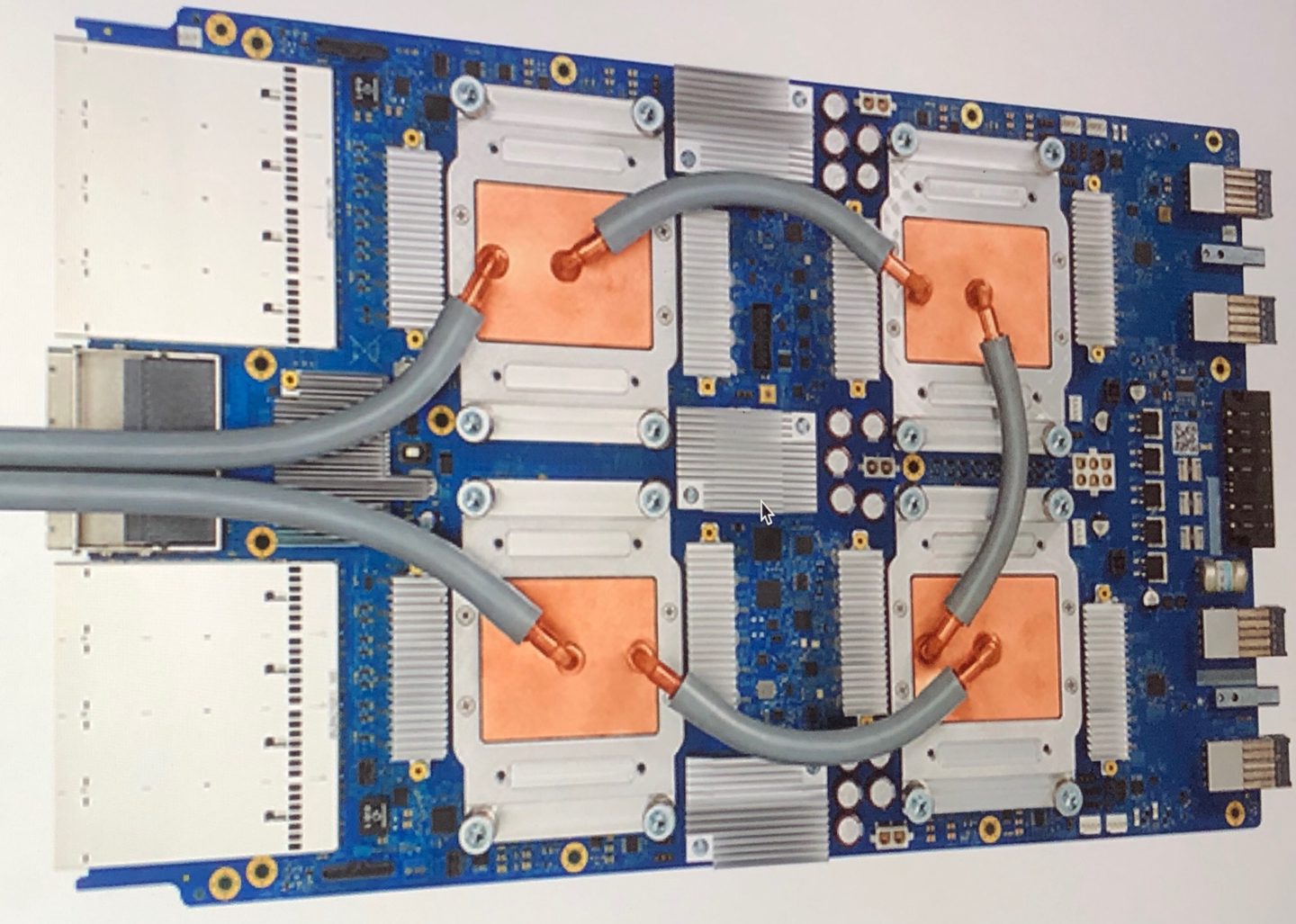
What Is a TPU — and How Is It Different From a GPU?
A TPU is Google's custom AI chip, purpose-built to run the matrix math behind neural networks — and now rented out by the gigawatt to power rival labs' models too.
Read more →
A TPU is Google's custom AI chip, purpose-built to run the matrix math behind neural networks — and now rented out by the gigawatt to power rival labs' models too.
Read more →AMD will invest up to $5 billion in Anthropic and supply as much as 2 gigawatts of Instinct MI450 GPUs, one of the chipmaker's biggest moves yet against Nvidia.
Read more →
AMD Instinct is AMD's line of data-center GPUs built to train and run AI models — the main hardware challenger to Nvidia's dominance in AI computing.
Read more →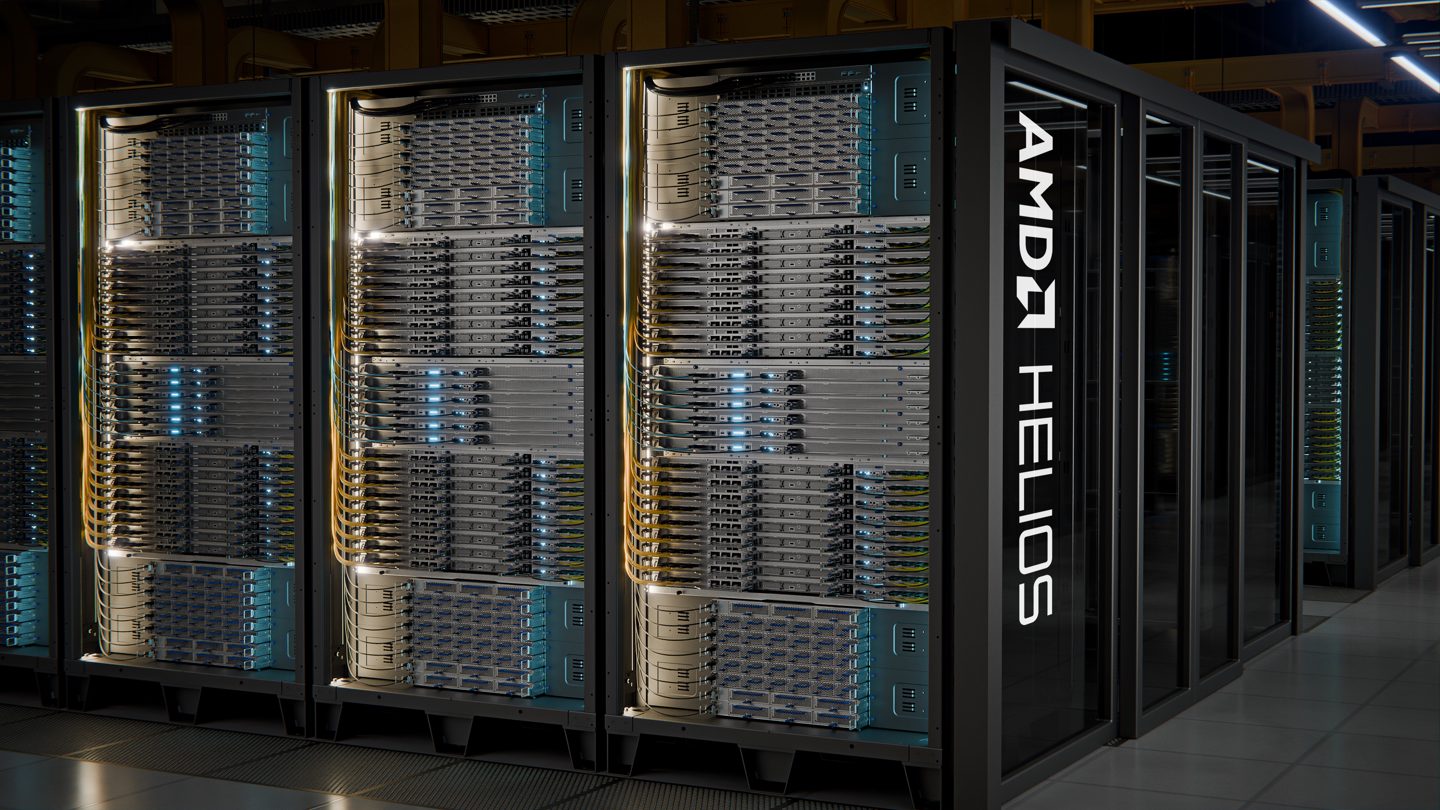
AMD unveiled its Instinct MI400 AI chips and Helios rack systems on July 23, claiming 34x faster inference, with OpenAI, Meta and Anthropic on hand.
Read more →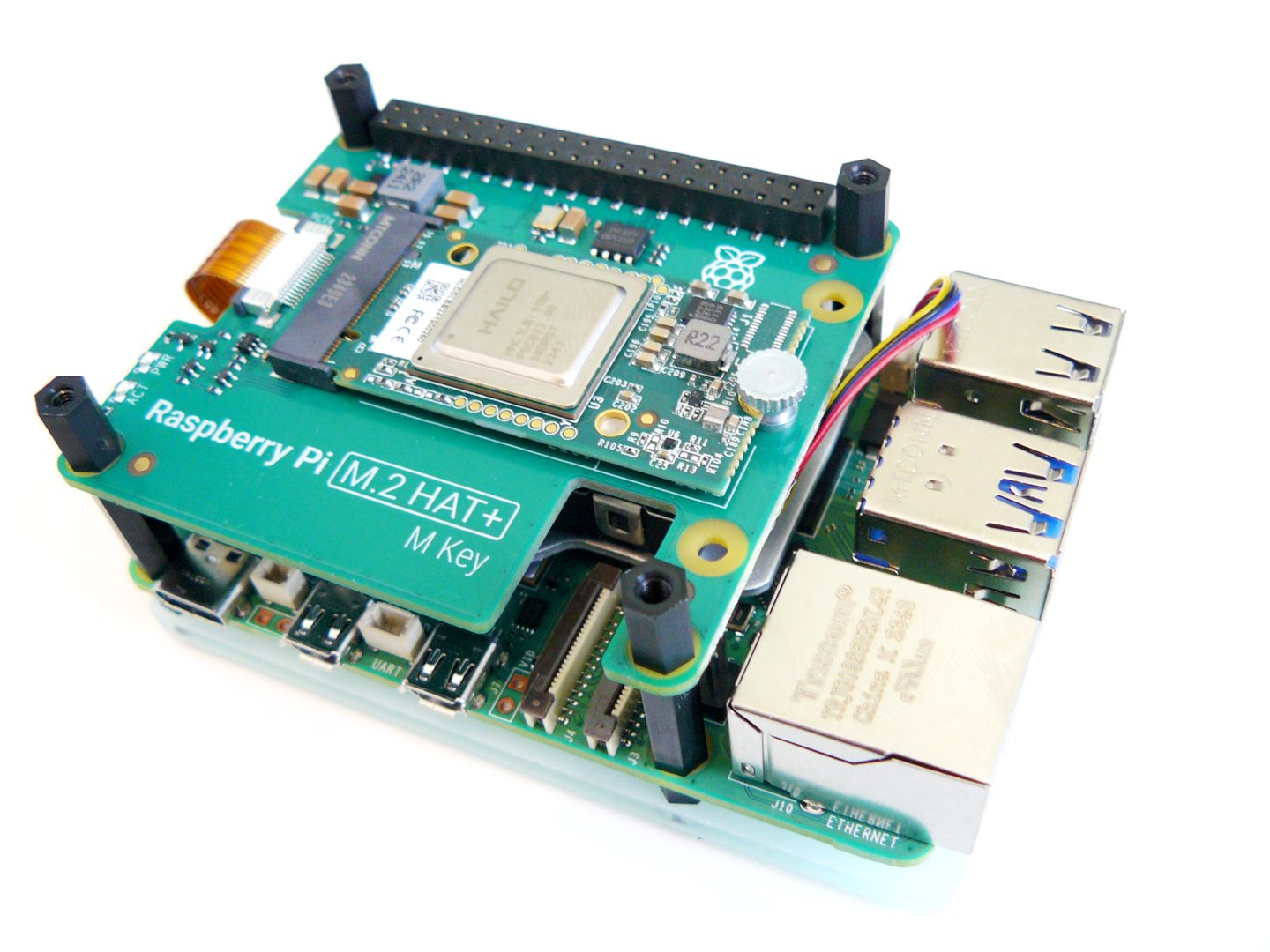
An AI PC pairs a normal processor with a dedicated NPU chip that runs AI features like transcription, translation, and image generation locally, without sending data to the cloud.
Read more →Moonshot AI has paused new sign-ups for its Kimi K3 chatbot after demand outpaced its GPU capacity within days of launch, while keeping its July 27 open-weight release on schedule.
Read more →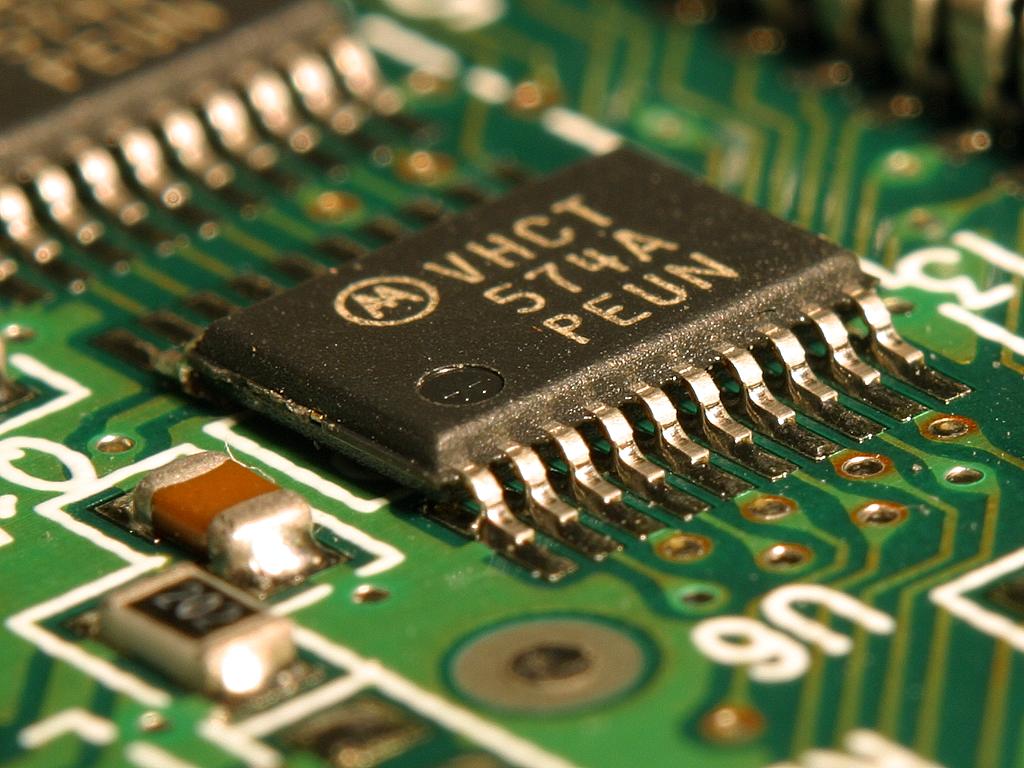
ASICs are chips hardwired for one job. Here's what makes application-specific AI chips different from general-purpose GPUs, and why some AI companies build their own.
Read more →Chipmaker Etched is negotiating a funding round that would value it at $20 billion, quadrupling its December price, as investors chase alternatives to Nvidia for AI inference, the Wall Street Journal reported.
Read more →Apple's market value briefly surpassed Nvidia's on July 17 after Moonshot AI's Kimi K3 model revived doubts about AI infrastructure spending, though Nvidia reclaimed the lead by the close.
Read more →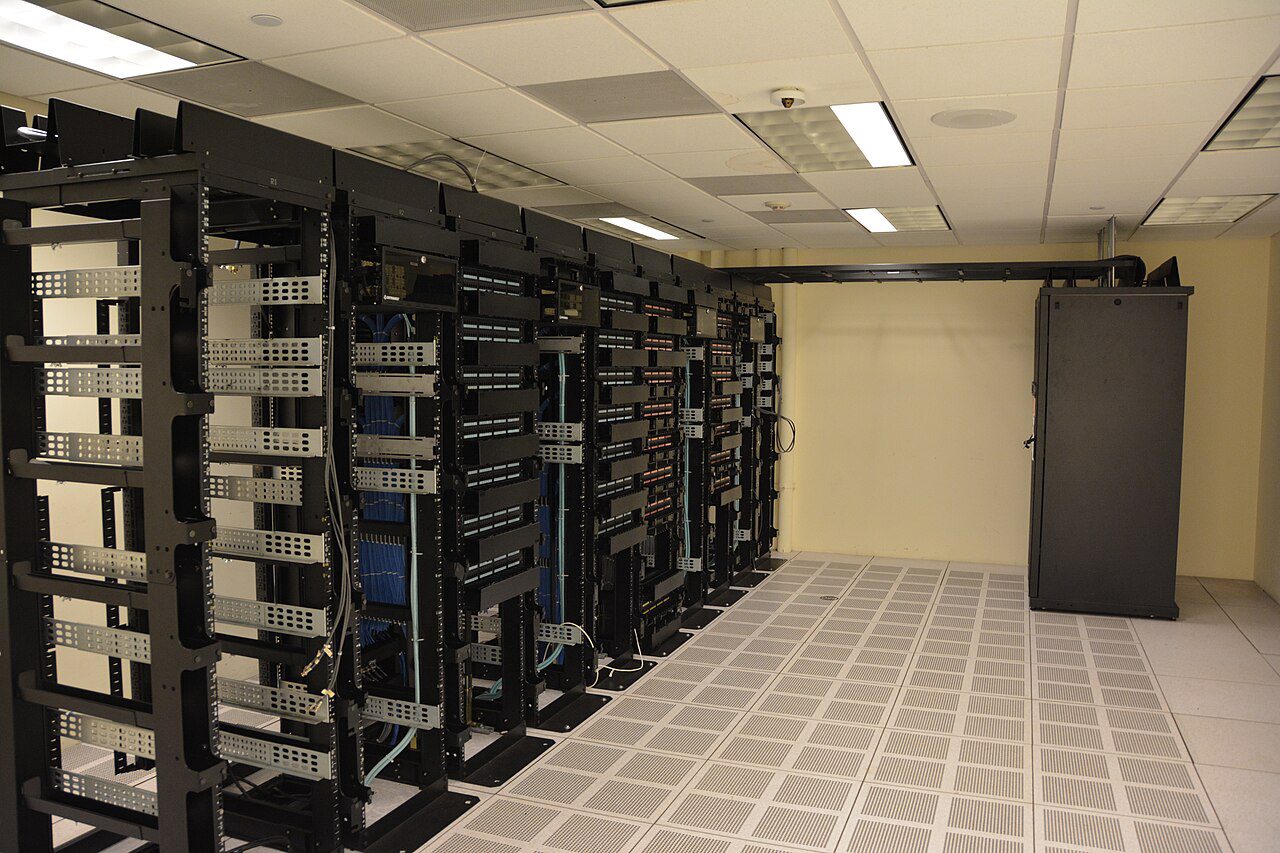
A single AI chat reply uses a fraction of a watt-hour, but billions of daily queries and the data centers behind them add up to a fast-growing power and water bill.
Read more →TSMC will invest $100 billion more in Arizona, lifting its total US commitment to $265 billion, after a record quarter driven by AI chip demand.
Read more →Shenzhen humanoid-robot maker LimX Dynamics closed a nearly $200 million pre-IPO round on July 14, valuing it at about $2.1 billion as it pushes toward a stock listing.
Read more →NVIDIA said more than 20 Japanese manufacturers and robotics firms, including FANUC, Sony and SoftBank, are building on its Cosmos world-model platform for real-world AI.
Read more →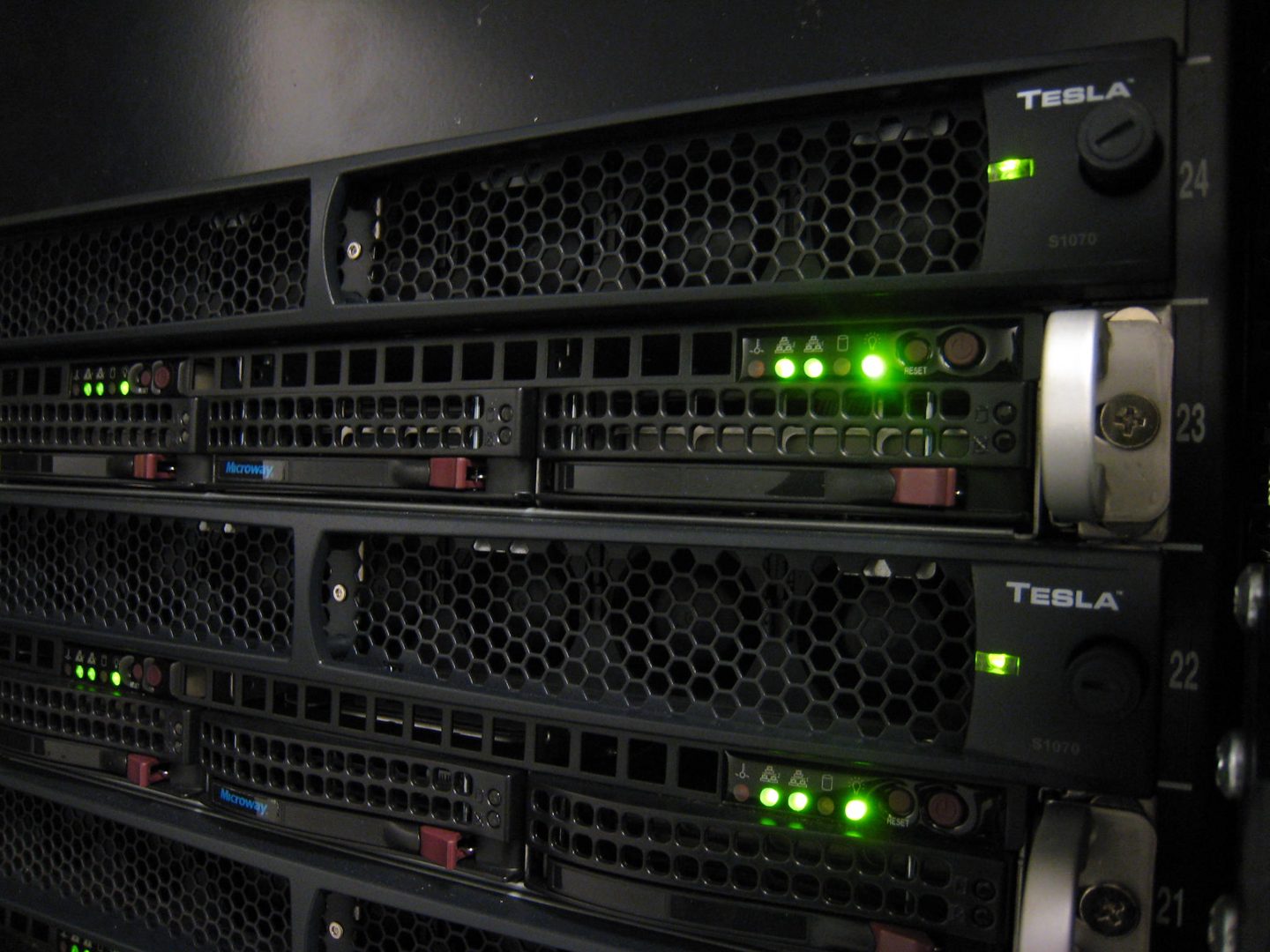
An AI factory is infrastructure purpose-built to turn raw data into AI output at scale. Here's what makes it different from a regular data center, and why governments are now building their own.
Read more →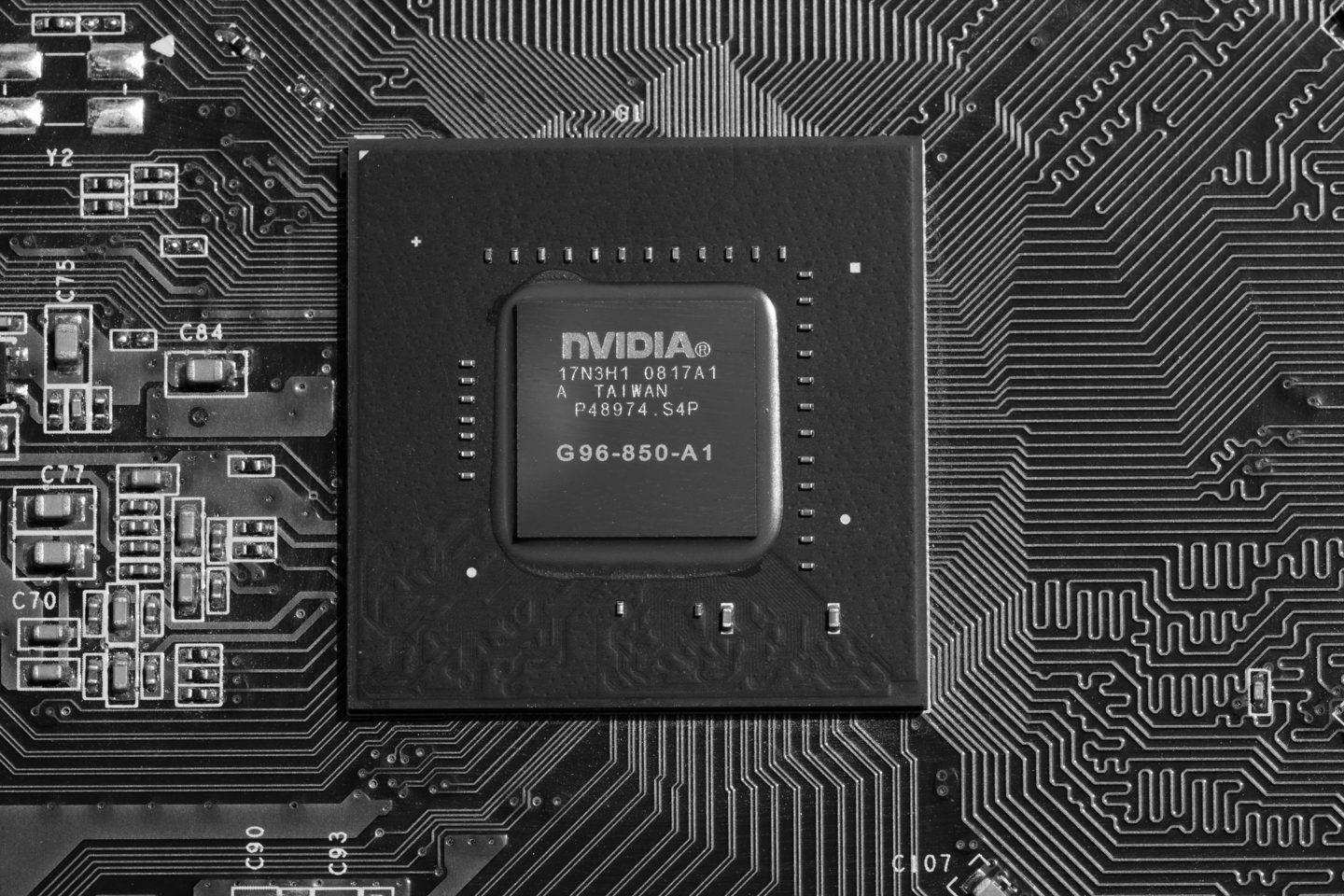
A GPU is a chip built to do thousands of simple calculations at once. That's exactly what training and running AI models requires, which is why GPUs became the AI industry's most valuable hardware.
Read more →Japan's government and a 44-company consortium called Noetra partnered with Nvidia to build a 140-megawatt AI factory powering open foundation models for robotics and manufacturing.
Read more →A Blackstone-led investor group is funding 49% of five natural-gas power plants that pipeline giant Williams is building largely to supply electricity to AI data centers.
Read more →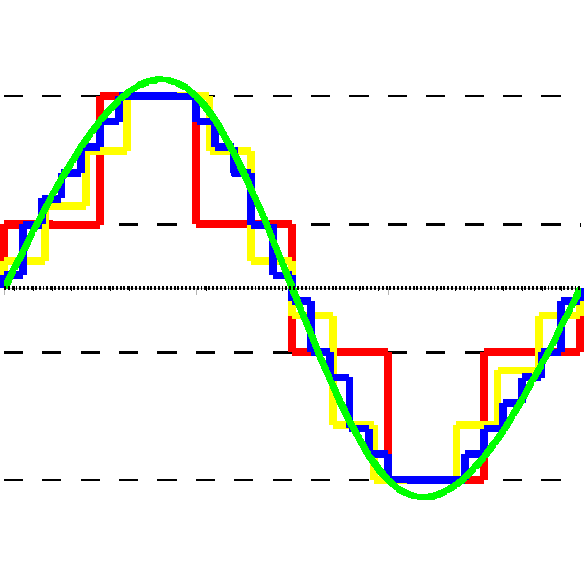
AI models are usually trained with high-precision math, but quantization compresses their weights into smaller numbers so they can run on a phone or laptop instead of a data center.
Read more →Monzo co-founder Tom Blomfield is taking leave from Y Combinator to join Anthropic's compute team, as the AI lab races to secure the computing power it needs to keep scaling Claude.
Read more →
A data center moratorium is a temporary government freeze on new data center permits. Here's how the tool works, why so many places are using it, and what it doesn't actually solve.
Read more →
US export controls don't ban AI chips by name — they trigger on two calculated numbers, Total Processing Performance and Performance Density. Chipmakers are now designing chips to fall under them.
Read more →