
What Is Google DeepMind? The AI Lab Behind Gemini and AlphaFold
Google DeepMind is Alphabet's AI research lab — the team behind AlphaGo, AlphaFold, and the Gemini model family. Here's what it is and how it formed.
Read more →This project is suspended: no new articles or editions will be published. The archive stays available.
104 articles
Google DeepMind is Alphabet's AI research lab — the team behind AlphaGo, AlphaFold, and the Gemini model family. Here's what it is and how it formed.
Read more →China's Moonshot AI released Kimi K3, a 2.8-trillion-parameter open model with a 1-million-token context window — a system the company calls the world's first open 3-trillion-class AI model.
Read more →Demis Hassabis called for a US-led, industry-funded body to test frontier AI models before release, arguing AGI is now only a few years away.
Read more →AI model collapse happens when generative models repeatedly train on AI-generated data, gradually erasing rare facts, minority voices, and diversity from their output.
Read more →PrismML has released Bonsai 27B, a 27-billion-parameter open-weight model compressed to under 4GB, small enough to run natively on a phone while keeping most of its reasoning ability.
Read more →Mira Murati's startup released Inkling, a 975-billion-parameter open-weight model built for developers to fine-tune and adapt, rather than to top leaderboards.
Read more →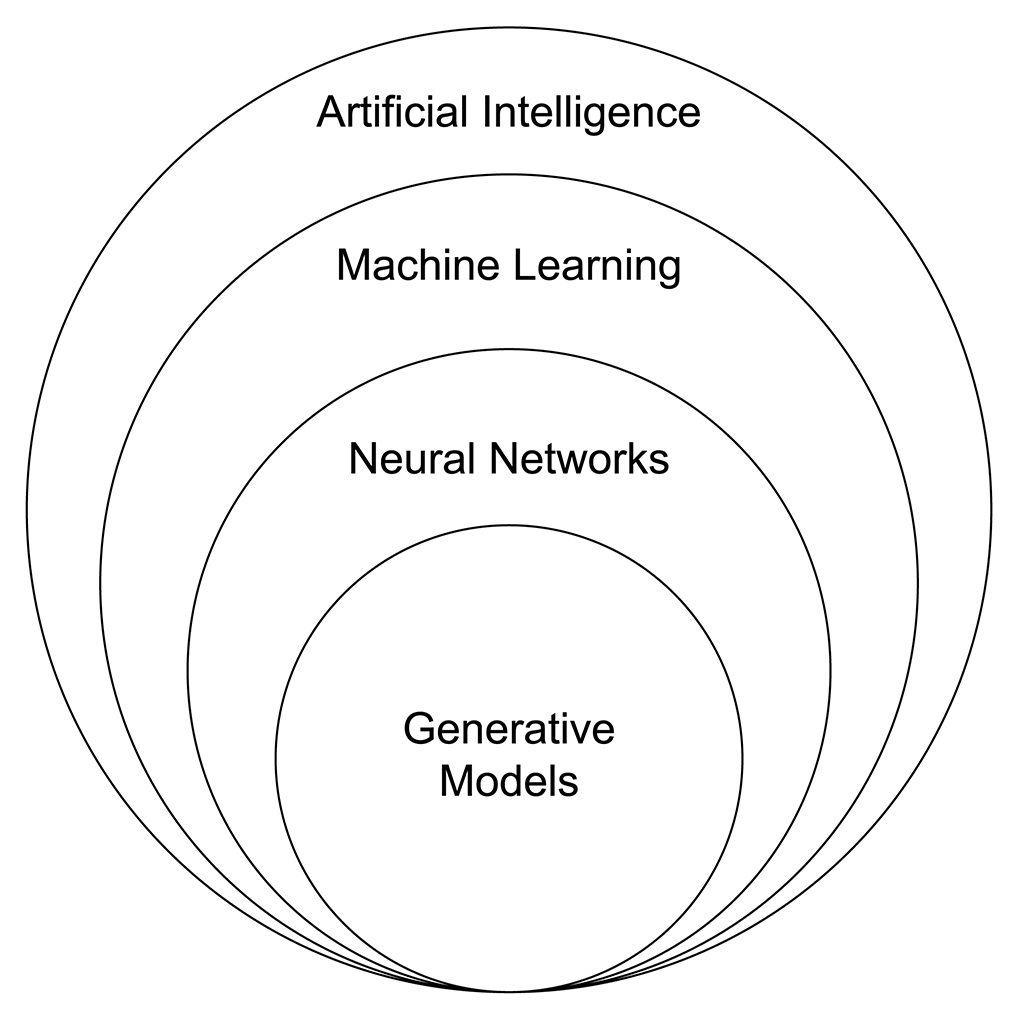
Synthetic data — information generated by AI itself rather than collected from the real world — is quietly becoming a core ingredient in how AI models are trained.
Read more →
AI labs are offering researchers pay packages worth hundreds of millions of dollars. Here's why the fight for talent has gotten this extreme, and what it means for everyone else.
Read more →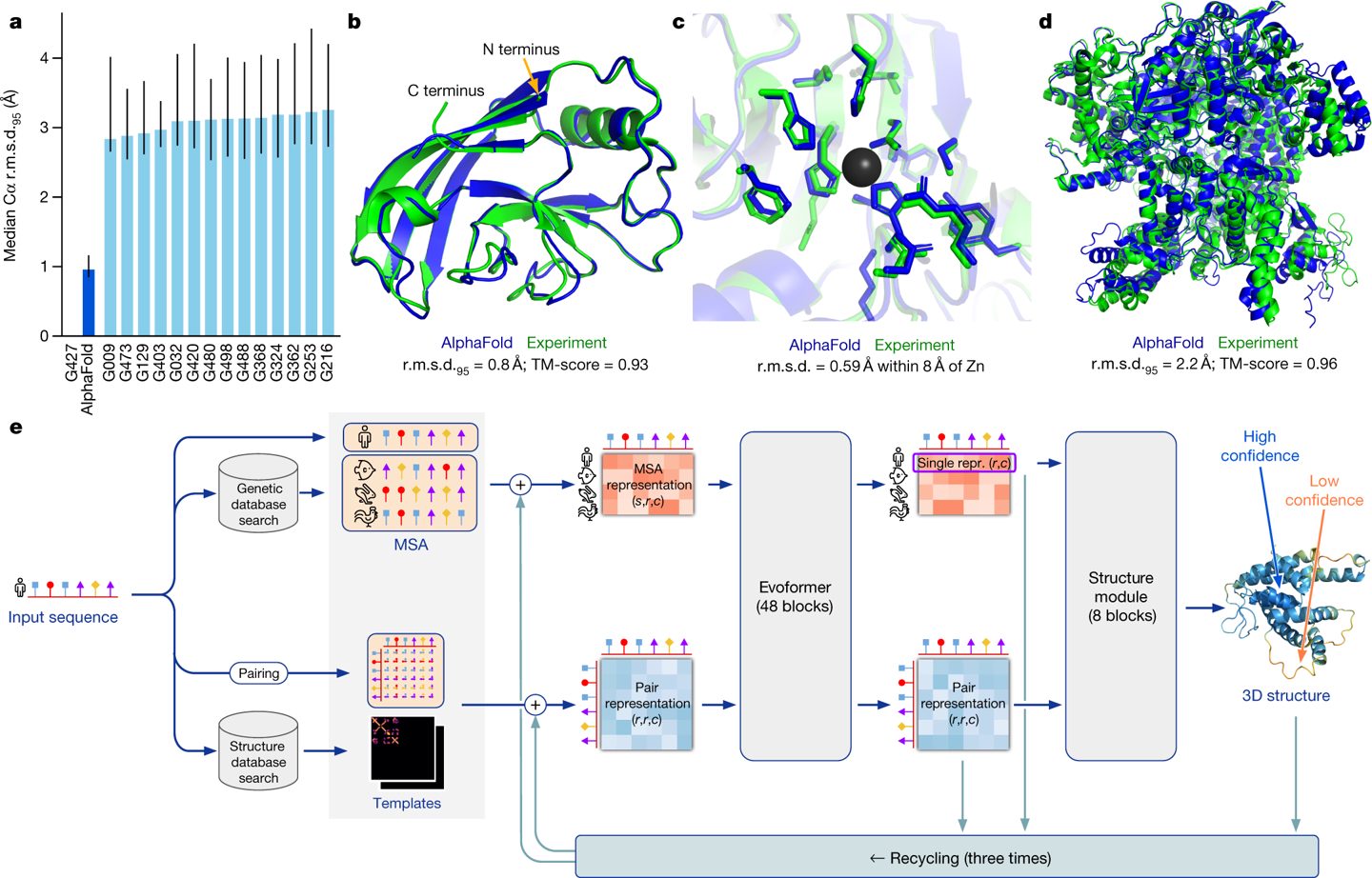
AI models now help scientists find and design new drug candidates in weeks instead of years. Here's what AI drug discovery is and how it actually works.
Read more →Chai Discovery, an AI startup that designs antibodies and other molecules from scratch, raised a $400 million Series C led by Index Ventures at a $3.8 billion valuation.
Read more →Over 200 economists and AI researchers, including 16 Nobel laureates, signed a Stanford-organized statement warning that AI's economic impact could outpace society's ability to adapt.
Read more →
DeepSeek is the Chinese AI lab whose cheaply trained, open-weight models triggered Nvidia's biggest one-day stock drop and reshaped how the industry talks about AI costs.
Read more →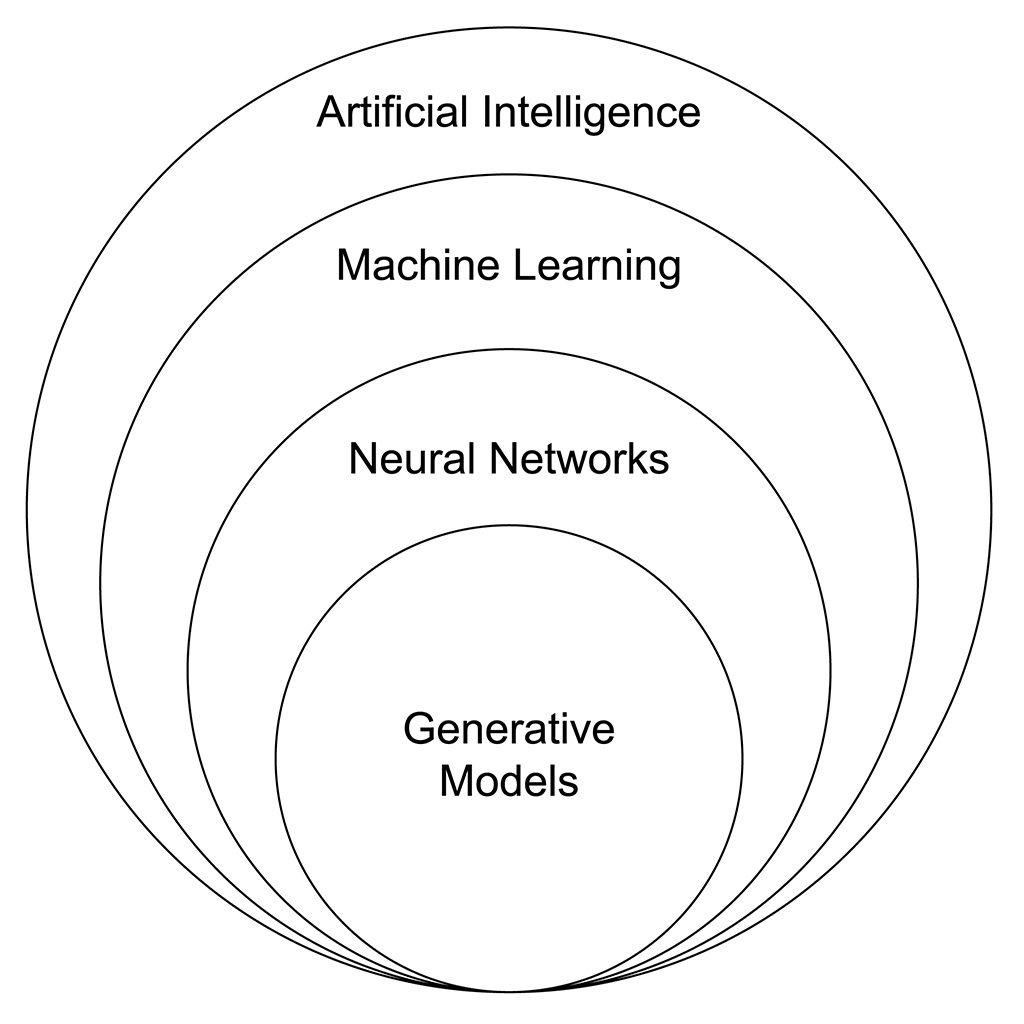
Generative AI creates new text, images, audio, and code by learning patterns in data, instead of just sorting or predicting like older AI systems. Here's how it actually works.
Read more →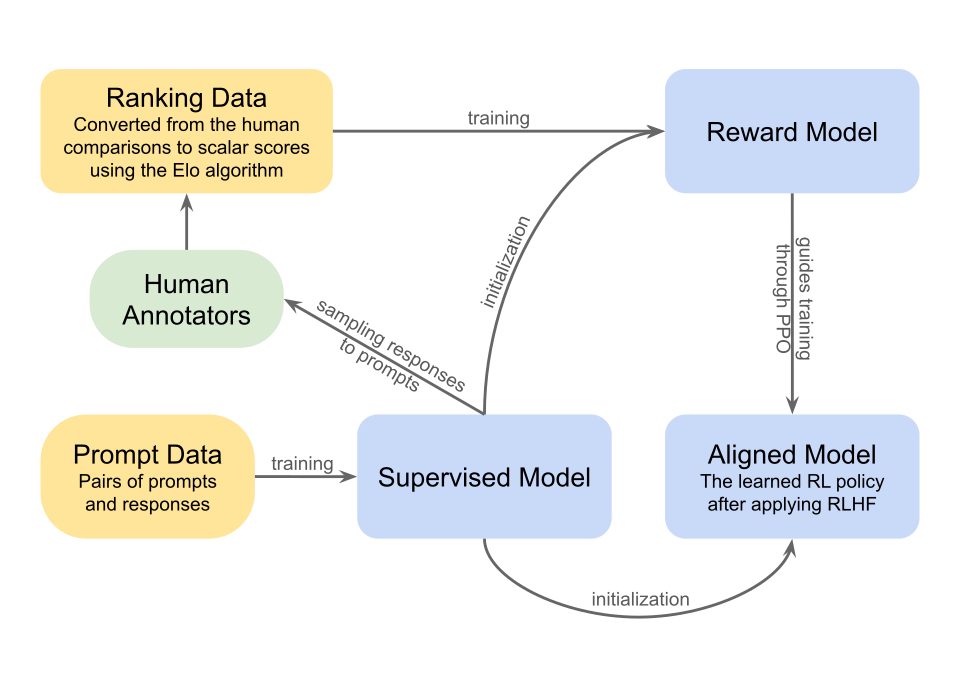
RLHF is the training step that turns a raw language model into a helpful chatbot, using human rankings of its answers to teach it what a good response looks like.
Read more →Constitutional AI is Anthropic's method for training Claude to follow a written set of principles by critiquing its own answers, instead of relying mainly on human-labeled examples.
Read more →AI alignment is how developers make a model's behavior match human intent, not just its instructions. The same techniques used for safety can also be used to restrict what a model will say.
Read more →A paper honored at ICML 2026 argues that AI alignment techniques such as RLHF and Constitutional AI can double as tools for state censorship and political control.
Read more →The AI productivity paradox is the gap between how transformative AI seems and how little that shows up in official productivity statistics — a pattern economists first saw with computers.
Read more →When an AI claims to have proved a hard theorem, mathematicians don't just take its word for it. Here's how proof verification actually works, and why it matters.
Read more →OpenAI says its GPT-5.6 Sol Ultra model produced a proof of the 50-year-old Cycle Double Cover Conjecture in under an hour, but mathematicians warn full verification will take weeks.
Read more →Teleoperated humanoid robots completed two live surgeries in a UC San Diego trial, a Nature study shows — a preclinical step toward cheaper, more portable alternatives to today's surgical robots.
Read more →