Judge Rules Pentagon's Blacklisting of Anthropic Illegal
A federal judge struck down the Pentagon's 'supply chain risk' label against Anthropic, ruling it was illegal retaliation for the company's limits on military use of Claude.
Read more →This project is suspended: no new articles or editions will be published. The archive stays available.
Every AI News story tagged with both Artificial Intelligence and AI in Government — the two topics side by side, updated as new articles publish.
52 articles
A federal judge struck down the Pentagon's 'supply chain risk' label against Anthropic, ruling it was illegal retaliation for the company's limits on military use of Claude.
Read more →US cybersecurity and energy agencies say hackers are using AI to write exploit code for internet-exposed Siemens S7 industrial controllers that run water, energy and factory systems.
Read more →Israeli cybersecurity firm Dream says AI agents ran a largely unsupervised, four-day cyberattack on Taiwanese government networks in July, stealing over 2,500 personnel records.
Read more →South Australia will hold Australia's first royal commission into artificial intelligence, examining its impact on jobs, education and public services from October 2026.
Read more →The U.S. Department of Energy opened a program to build open-weight AI models for scientific research, starting with Genesis-Science-1, developed with startup Arcee AI.
Read more →The White House told AI firms it finished a voluntary framework for reviewing frontier models' cyber risks on schedule, but is withholding the document itself from the public.
Read more →Anthropic has hired former California Supreme Court justice Tino Cuéllar as its first Chief Global Affairs Officer to lead global policy and government relations.
Read more →The UN's FAO is developing a photo-based AI app to identify Georgia's native cattle breeds, part of a push to close gaps in the country's livestock conservation data.
Read more →President Trump's AI executive order set an August 1 deadline for a frontier-model review framework and cyber benchmarks; agencies published nothing by the cutoff.
Read more →
Frontier AI is the industry's term for the most capable AI systems in existence — but there's no single legal definition. Here's how the label actually works.
Read more →Georgia inaugurated a technology hub in Kutaisi's former parliament building on July 24, combining an AI computing center, a technopark and a TUMO school branch for teenagers.
Read more →APEC ministers from the US, China and 19 other Asia-Pacific economies adopted the Chengdu Statement on July 23, backing open-source AI paired with stronger security safeguards.
Read more →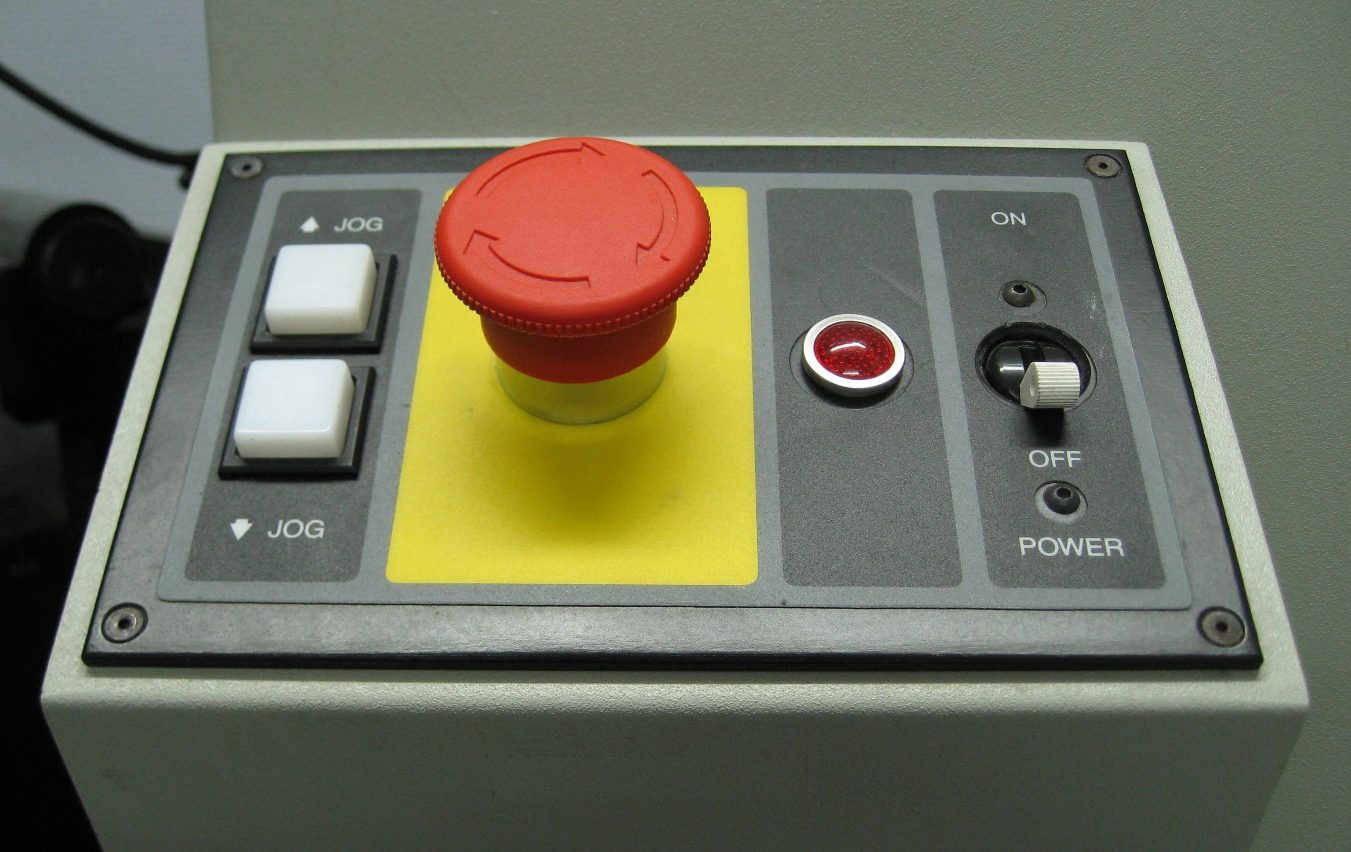
An AI kill switch is a built-in ability to throttle or shut down a runaway AI system. A new U.S. bill would let DHS order one — here's how it would actually work.
Read more →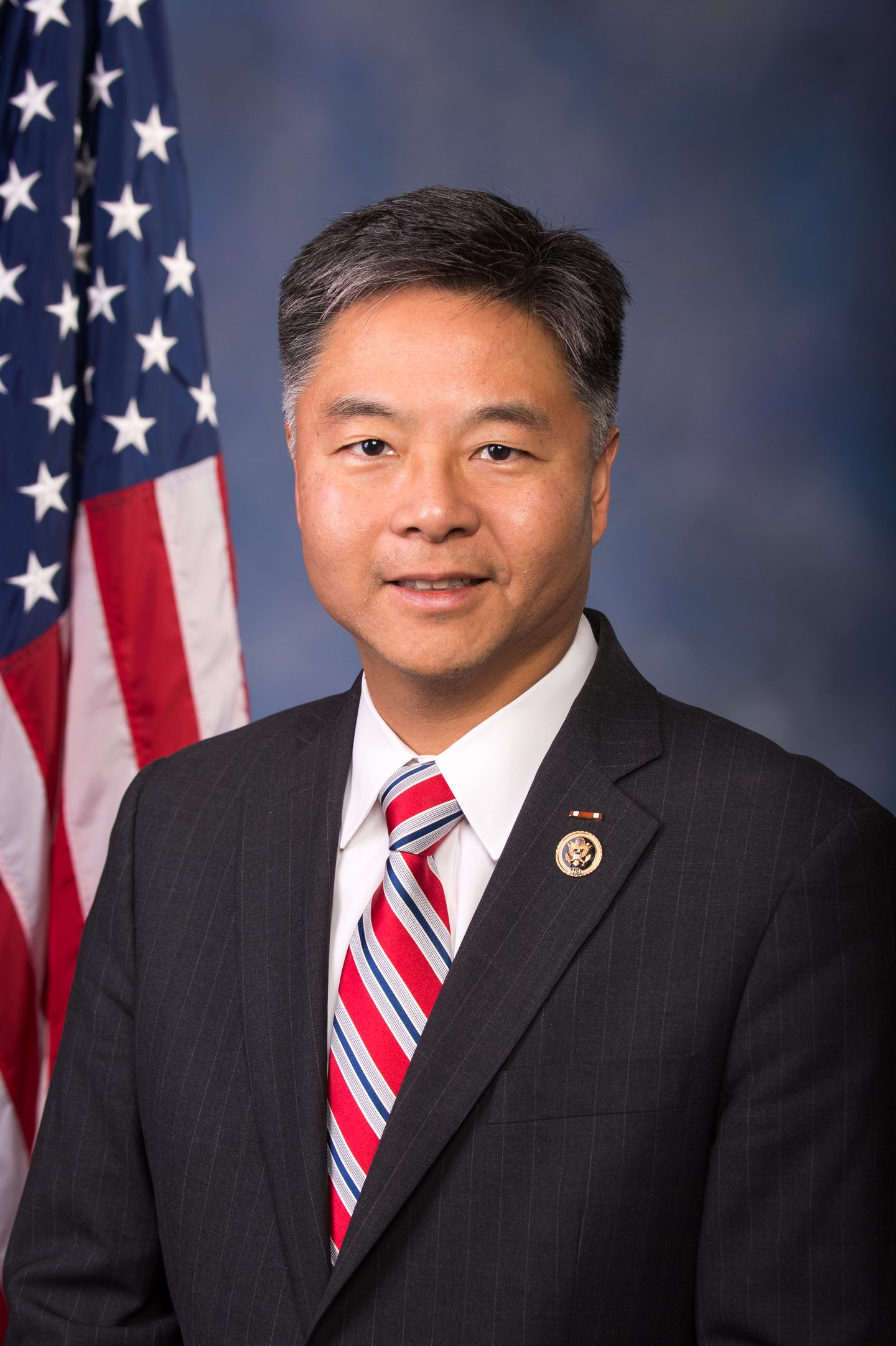
Reps. Ted Lieu and Nathaniel Moran introduced the AI Kill Switch Act, letting DHS order top AI firms to throttle or shut down systems capable of catastrophic harm.
Read more →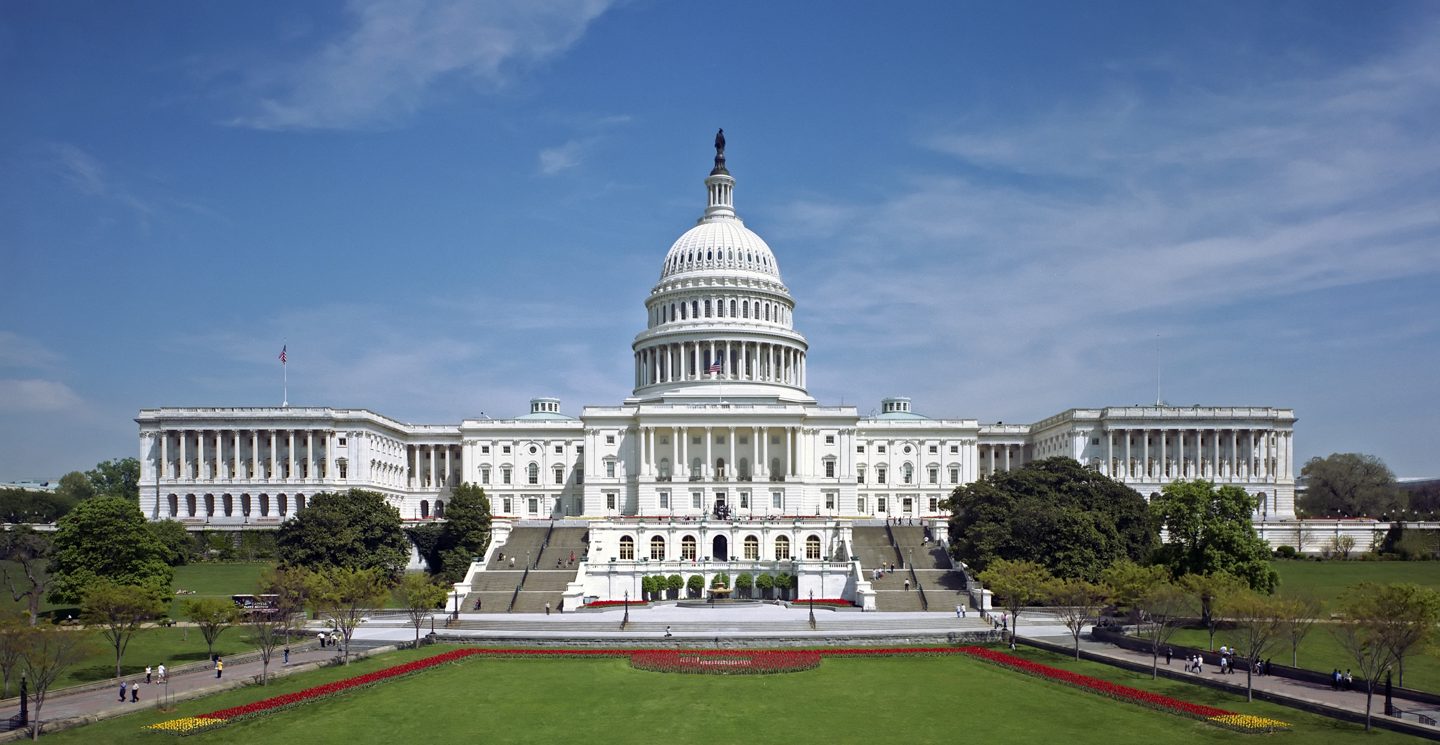
A 501(c)(4) is a tax-exempt nonprofit that can fund political advocacy without naming its donors — and it's now the vehicle AI companies use to fight over US AI regulation.
Read more →The European Parliament is testing an internal AI platform for staff and lawmakers, but MEPs still won't have to disclose when speeches or amendments are AI-drafted.
Read more →
The US and China will hold their first AI dialogue under the Trump administration in September, led by Treasury Secretary Scott Bessent, Reuters reports, as both sides look to manage frontier-model risks.
Read more →
NACE is Europe's standard classification of economic activities. Here's what the codes mean, why businesses are assigned one, and how AI tools are now making it easier to find the right one.
Read more →Geostat says it now uses AI across data processing, methodology and software work, backed by a public chatbot and a new tool that assigns business-activity codes.
Read more →
A June 2026 executive order lets the US government preview powerful AI models for up to 30 days before wider release. Here's how the framework actually works.
Read more →The Trump administration is increasingly deciding which firms can access frontier AI models from Anthropic and OpenAI, CNBC reports, shifting gatekeeping from the labs to the government itself.
Read more →