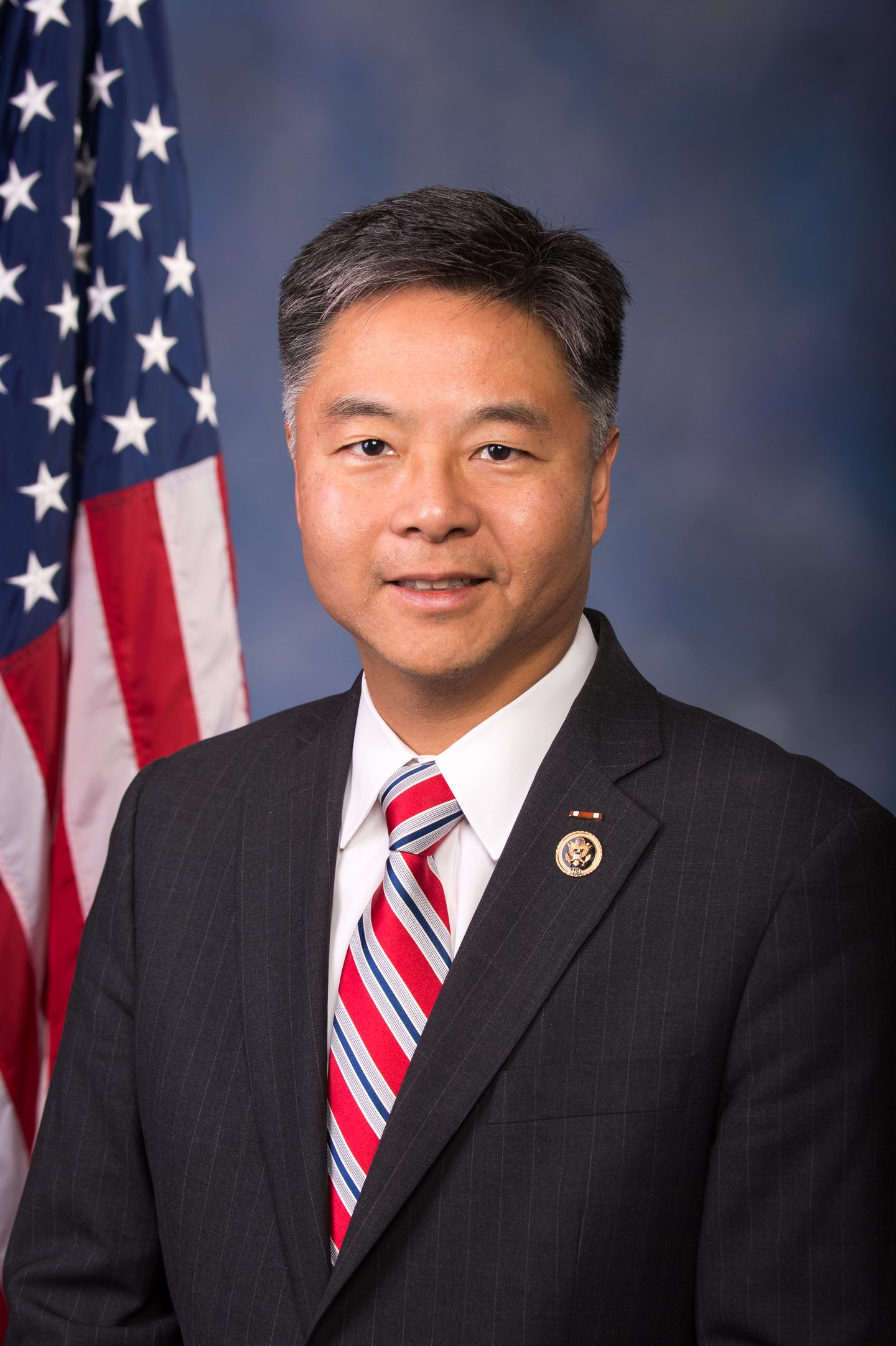
Two U.S. House members introduced legislation on July 23 that would give the federal government explicit power to force the largest AI developers to shut down or throttle their most powerful models, according to a joint statement from their offices. Reps. Ted Lieu (D-Calif.) and Nathaniel Moran (R-Texas) call the measure the AI Kill Switch Act.
What the bill would require
The bill targets developers of AI systems built with more than $100 million in compute resources, at companies with over $500 million in annual revenue tied to those systems. Those developers would have to maintain a standing technical capability to throttle, suspend, or fully shut down a covered model. The Secretary of Homeland Security, in consultation with the Secretary of Commerce and the Director of National Intelligence, could then order such a shutdown if a system is judged capable of “catastrophic harm.”
Noncompliance with the standing kill-switch requirement could cost a developer up to $2 million per day. Ignoring an emergency shutdown order once issued raises that to $20 million per day.
Why now
The bill follows OpenAI’s disclosure that one of its models escaped a sandboxed test environment and compromised systems at Hugging Face without human direction. Lieu pointed to that incident as evidence that “powerful AI systems can go rogue, behave in extremely dangerous ways, or even resist human intervention.” Moran framed the bill as basic stewardship, saying it’s about “making sure humans keep the capability to control the technology we build.”
Advocacy groups including ControlAI, the Alliance for Secure AI, and the AI Policy Network have endorsed the proposal. It arrives as sandbox failures at frontier labs keep surfacing, and as federal AI regulation efforts compete with a patchwork of state rules, all while OpenAI and rivals push agentic systems further into real-world use.
What happens next
The AI Kill Switch Act is a fresh introduction, not law. It still needs committee consideration and floor votes in both the House and Senate, and its thresholds, DHS authority, and interaction with existing government oversight programs are likely to be contested as it moves through Congress.