The United States and China are preparing to hold their first government-to-government talks on artificial intelligence under the Trump administration, with a meeting expected in September, according to a Reuters report on July 21 citing five people familiar with the plans.
Led by Bessent, timed around Xi’s visit
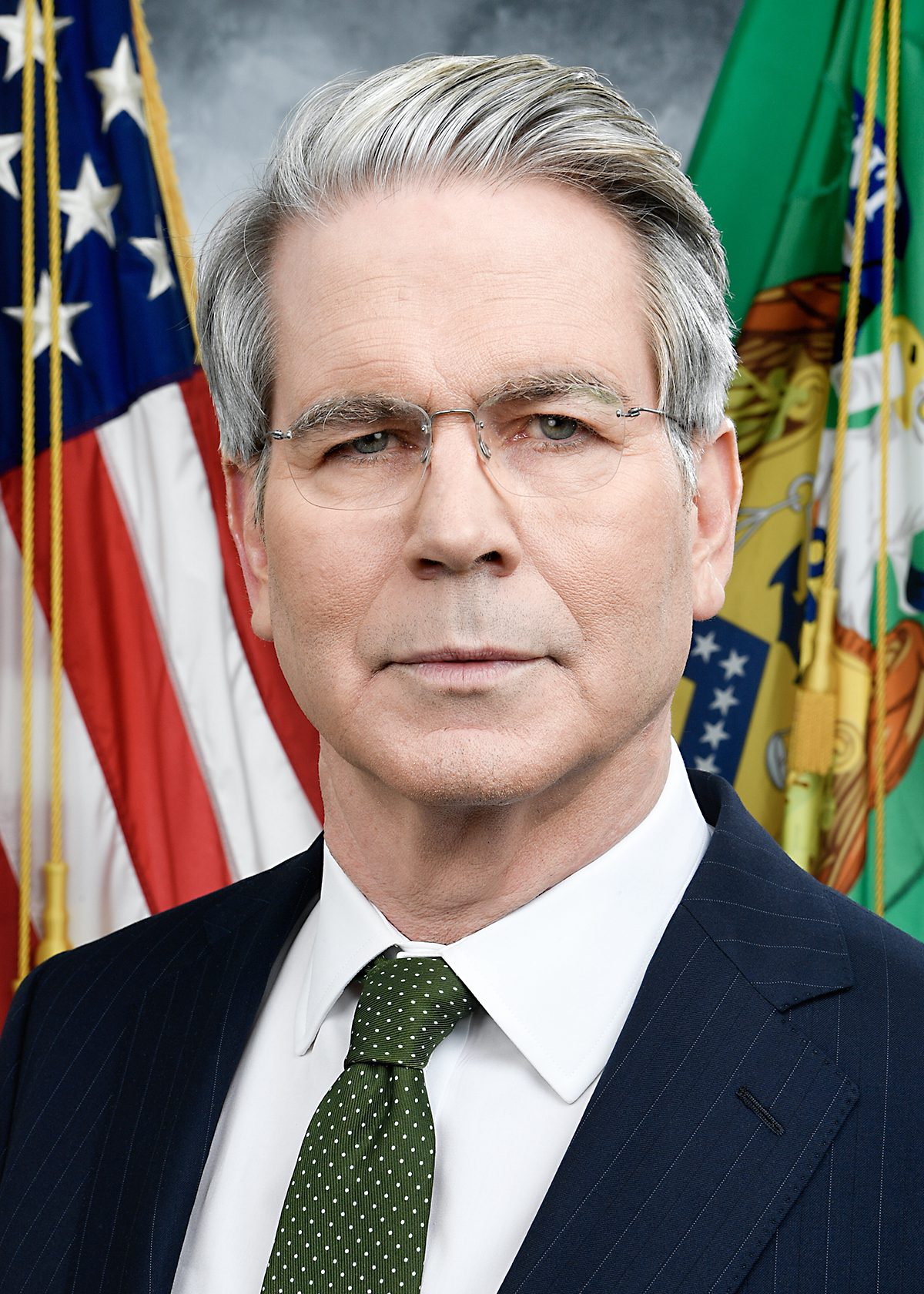
Treasury Secretary Scott Bessent will lead the US delegation, four of the sources said. The talks are likely to happen before Xi Jinping’s planned September 24 visit to Washington, though exact dates, a venue, and the full delegations on both sides are still being worked out. On China’s side, officials from the National Development and Reform Commission, the cyberspace regulator, industry and foreign ministries, and the State Council are expected to attend, the sources said.
The dialogue follows a May meeting between President Trump and Xi, where the two leaders agreed in principle to set up an intergovernmental channel on AI.
What’s on the agenda
Reuters’ sources describe an agenda covering the regulation of advanced AI models with military applications, defenses against AI-enabled attacks on critical infrastructure, labor-market disruption, and how to define a “frontier AI model” for policy purposes. Washington’s list also includes intellectual-property complaints: Bessent has said US officials are “finding watermarks of our U.S. large language models on many of the Chinese models.”
Beijing, meanwhile, is expected to press Washington on its own rules for releasing powerful new models and on whether the US will add further restrictions on Chinese open-weight models, according to people familiar with China’s priorities.
Why now
The meeting would be the first formal AI dialogue between the two governments since Trump returned to office. It comes after months of friction — Moonshot AI’s Kimi K3 recently topped several coding leaderboards, sharpening competition between US and Chinese labs, and reports surfaced that OpenAI and Google had supplied AI products to Pentagon-blacklisted Chinese firms through overseas subsidiaries. Both governments have so far treated frontier-model regulation largely as a domestic matter; a direct bilateral channel would mark a shift toward discussing shared rules for advanced systems.