Z.ai Unmasks Mystery 'Ox Alpha' Model as GLM-5.3-Flash
Chinese AI firm Z.ai confirmed its anonymous "Ox Alpha" model was GLM-5.3-Flash, releasing the open-weight, multimodal model under an MIT license.
Read more →This project is suspended: no new articles or editions will be published. The archive stays available.
Every AI News story tagged with both Artificial Intelligence and China — the two topics side by side, updated as new articles publish.
46 articles
Chinese AI firm Z.ai confirmed its anonymous "Ox Alpha" model was GLM-5.3-Flash, releasing the open-weight, multimodal model under an MIT license.
Read more →XPeng's robotics unit raised over $900 million from IDG Capital, Tencent and Alibaba at a $6.3 billion valuation, the largest single-round raise yet in China's humanoid robot industry.
Read more →At Beijing's World Humanoid Robot Games, a robot called Tiangong Ultra ran the 100 meters in 9.39 seconds, edging out Usain Bolt's 9.58-second world record, state broadcaster CCTV reported.
Read more →Apple has trained a proprietary AI model for the Chinese market with Alibaba's support, becoming the first foreign firm cleared to run its own AI system in China, Reuters reports.
Read more →DeepSeek will begin peak and off-peak API pricing on August 16, raising some DeepSeek-V4-Pro rates by up to 12 times as demand for its models surges.
Read more →Zhipu AI's new GLM-5.3 model found thousands of software vulnerabilities during safety testing, including a 45-year-old bug, prompting a delayed open-weight release.
Read more →Israeli cybersecurity firm Dream says AI agents ran a largely unsupervised, four-day cyberattack on Taiwanese government networks in July, stealing over 2,500 personnel records.
Read more →DeepSeek's flagship model exited preview on August 12 with sharp gains on coding and agent benchmarks, but only middling scores on general reasoning tests, and no formal announcement.
Read more →Chinese robotics maker AgiBot shipped more humanoid robots than rival Unitree in the first half of 2026, a new market report found, as both firms race toward competing IPOs.
Read more →Xiaomi released the code and checkpoints for Xiaomi-Robotics-1, a vision-language-action model it says tops several robot-manipulation benchmarks, under an Apache 2.0 license.
Read more →DeepSeek's official V4-Flash-0731 release outperforms its larger V4-Pro model on coding and agent benchmarks, despite activating far fewer parameters per token.
Read more →The US FCC added foreign-made humanoid and quadruped robots, plus power inverters, to its national-security 'Covered List,' blocking new import approvals over spying and cyberattack risks.
Read more →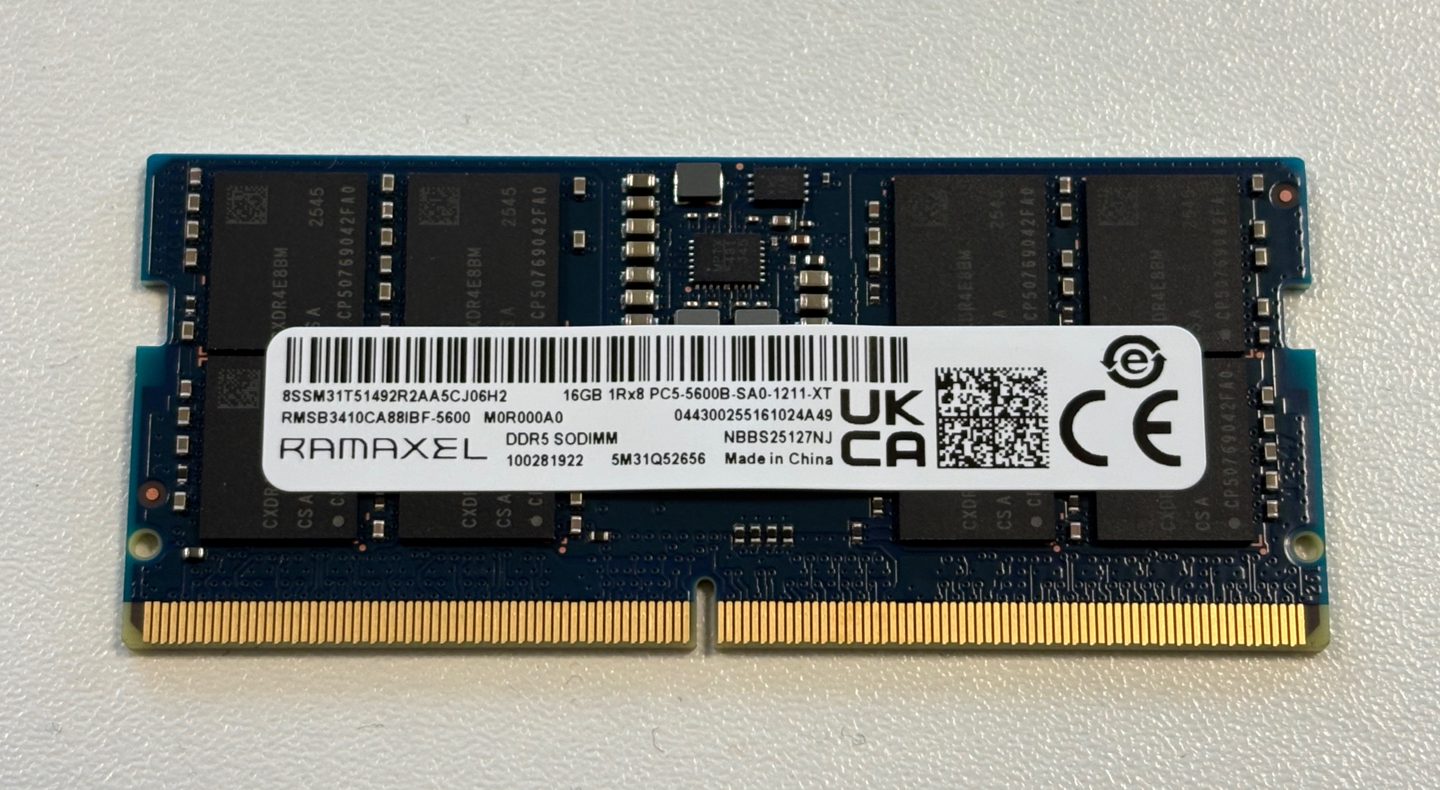
CXMT is China's biggest DRAM memory-chip maker. Its blockbuster Shanghai IPO made it the country's most valuable listed firm — here's what that means for AI hardware.
Read more →A Chinese state-backed firm has begun mass-producing homegrown immersion DUV lithography machines for its chipmakers, briefly rattling global semiconductor-equipment stocks.
Read more →Ant Group runs Alipay and grew out of Alibaba. Here's what it actually does, why it's tied to Alibaba, and why a payments company now builds its own AI models.
Read more →Anthropic CEO Dario Amodei said in a July 27 blog post that the company has never called for banning open-weight AI models, urging chip controls and mandatory safety testing instead.
Read more →Ant Group's Ling-3.0-Flash matches models several times its size on reasoning and coding benchmarks using just 5.1 billion active parameters, the company says.
Read more →Beijing-based Moonshot AI has published the full open weights for Kimi K3, a 2.8-trillion-parameter model it calls the largest open model released to date.
Read more →
Huawei is a Chinese tech giant now racing to build its own AI chips and cloud infrastructure after US export controls cut off its access to Nvidia's GPUs.
Read more →Huawei Cloud unveiled a new agentic AI infrastructure stack and opened a beta of its CodeArts coding agent in Thailand, expanding its enterprise AI push in Southeast Asia.
Read more →APEC ministers from the US, China and 19 other Asia-Pacific economies adopted the Chengdu Statement on July 23, backing open-source AI paired with stronger security safeguards.
Read more →