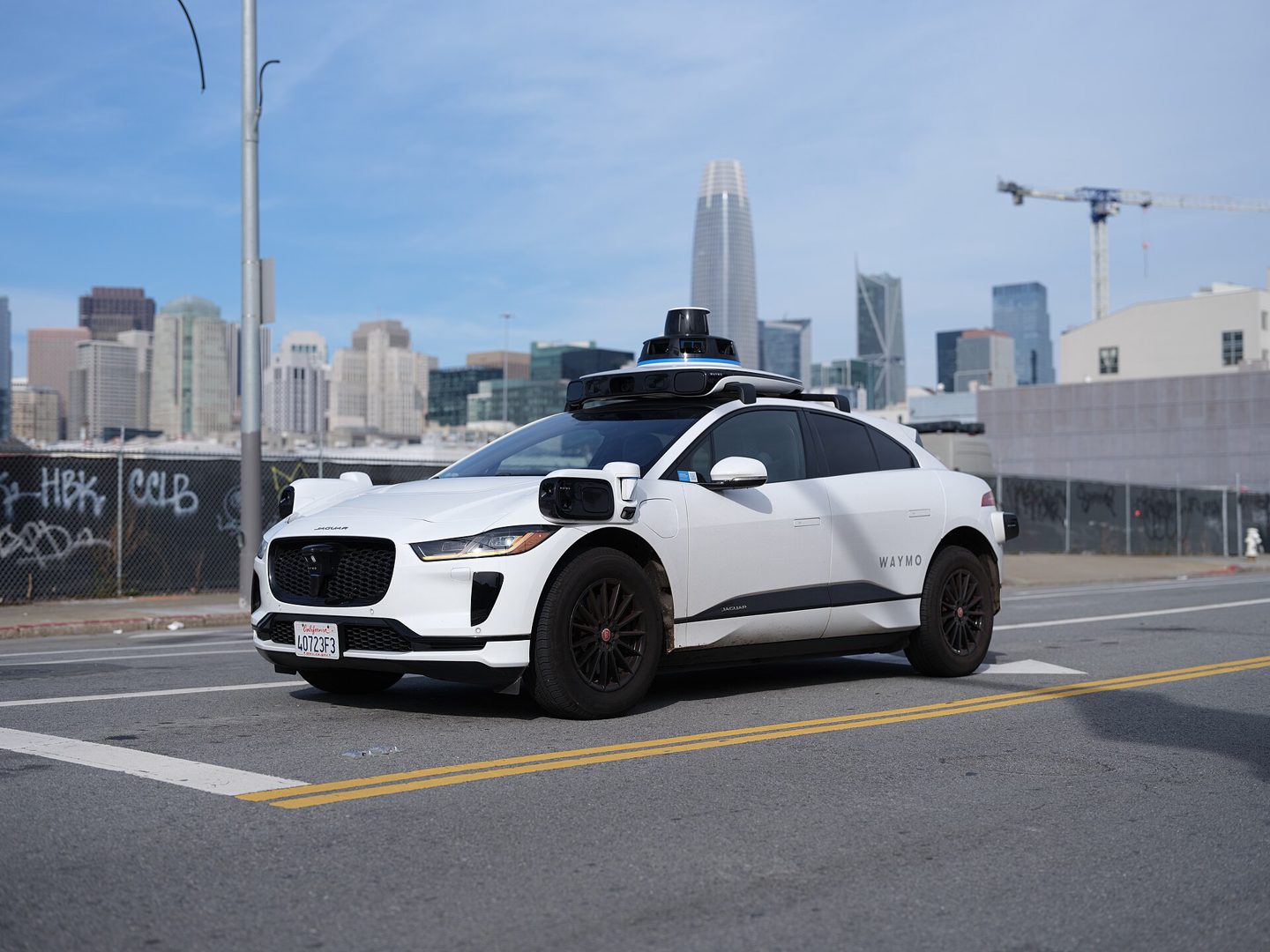
How Does AI Power Self-Driving Cars?
Self-driving cars use AI models that turn camera and sensor data into a live picture of the road, then predict what happens next and decide how to steer, brake, and accelerate.
Read more →This project is suspended: no new articles or editions will be published. The archive stays available.
Computer vision is the branch of AI that lets machines interpret and analyze images and video. This hub covers developments in image recognition, object detection, autonomous vision systems, and the multimodal AI models that process visual data.
Self-driving cars use AI models that turn camera and sensor data into a live picture of the road, then predict what happens next and decide how to steer, brake, and accelerate.
Read more →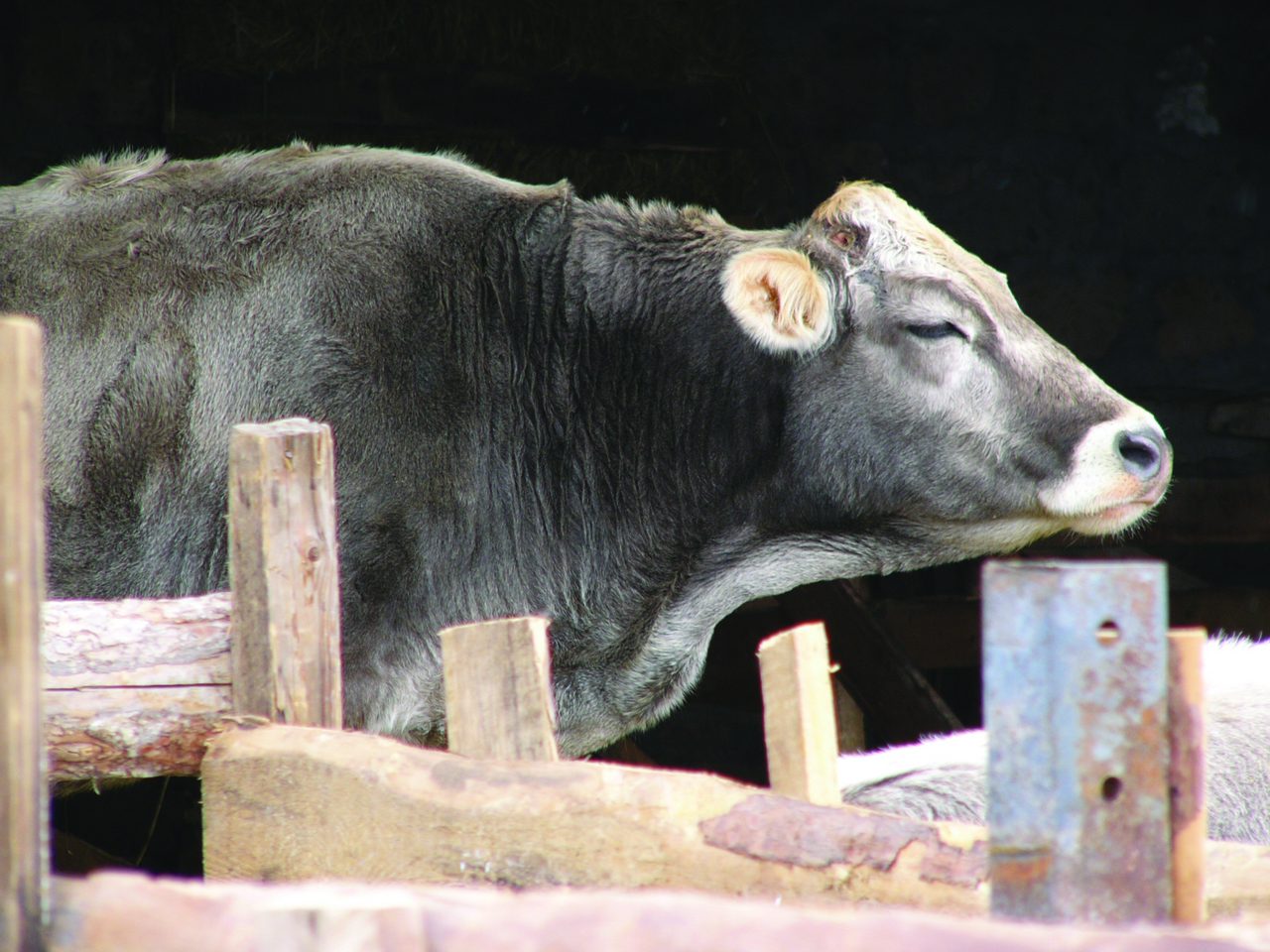
AI apps can now name an animal's species or breed from a single photo. Here's how the underlying computer vision works, and how it's helping protect Georgia's native cattle.
Read more →The UN's FAO is developing a photo-based AI app to identify Georgia's native cattle breeds, part of a push to close gaps in the country's livestock conservation data.
Read more →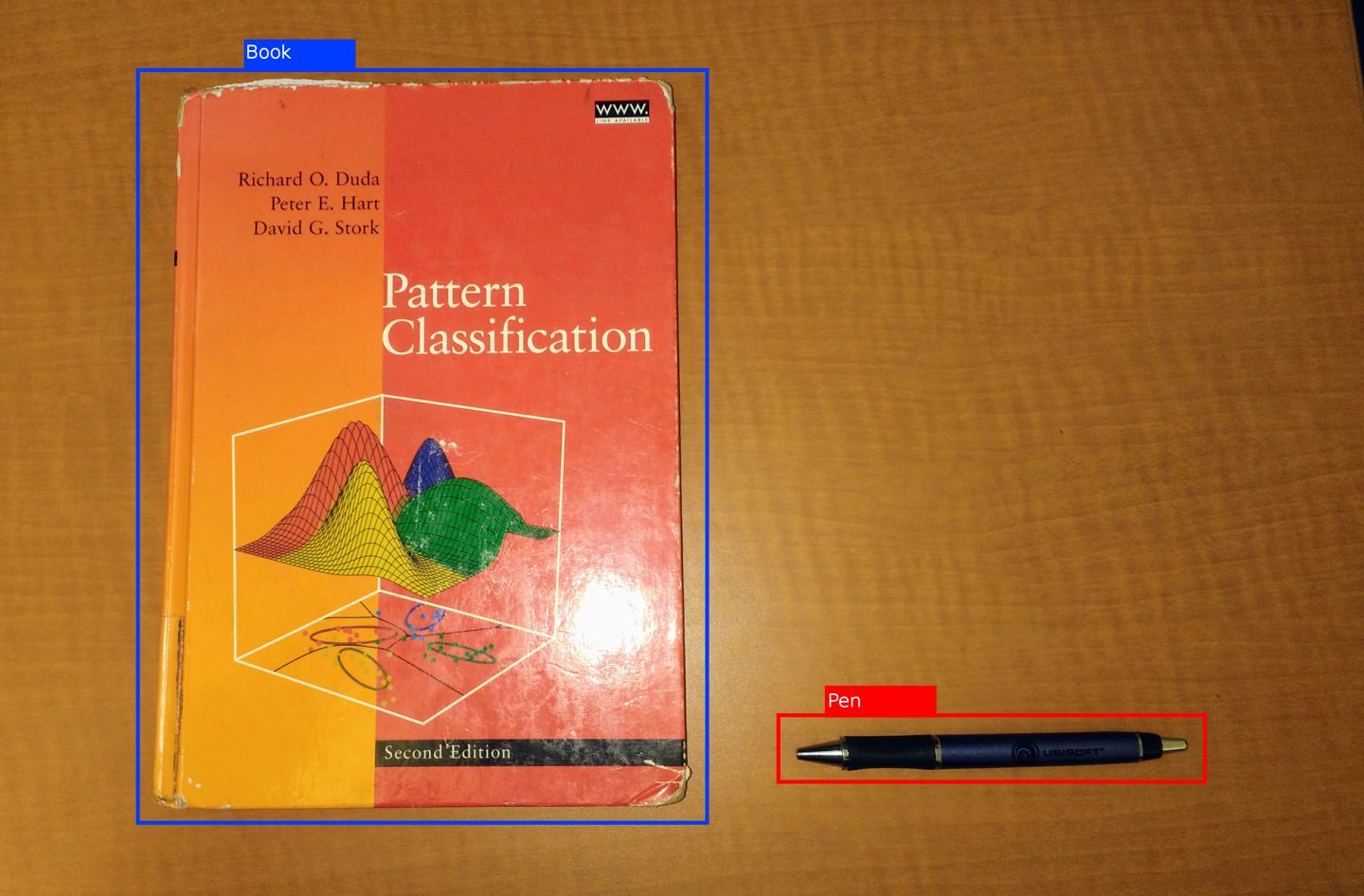
Computer vision is the branch of AI that lets software identify objects, faces, and scenes in images and video. Here's how it actually works and where it's already in use.
Read more →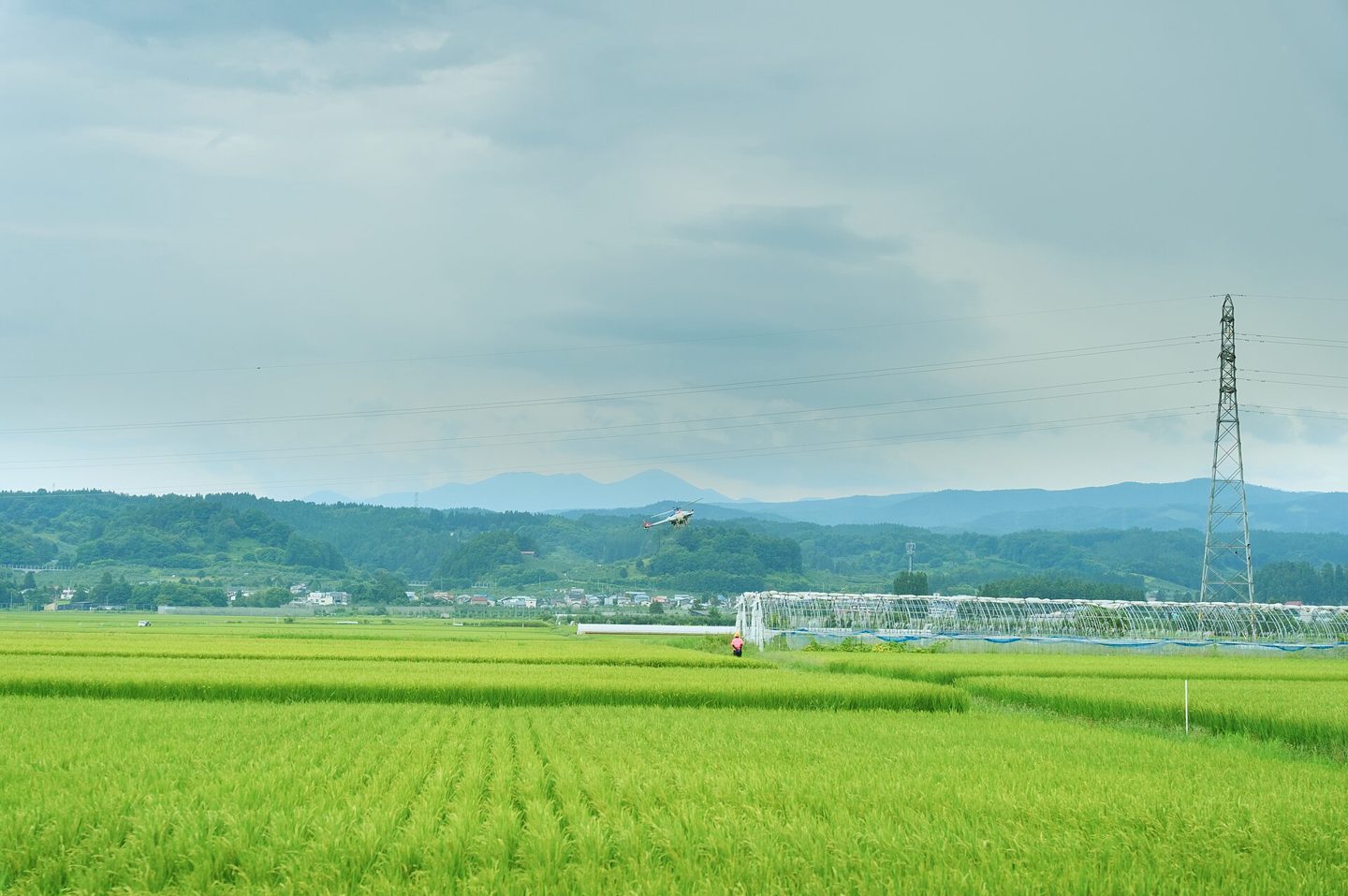
A practical look at how farmers use AI — from camera-guided sprayers to free satellite crop maps — and how to start using it on an actual field.
Read more →
IOAI is an annual competition where teams of secondary-school students from over 100 countries test machine learning, NLP, and computer vision skills. Here's how it works.
Read more →Mistral AI released Robostral Navigate, an 8-billion-parameter model that lets robots navigate using only a single camera, matching or beating systems that rely on LiDAR or depth sensors.
Read more →