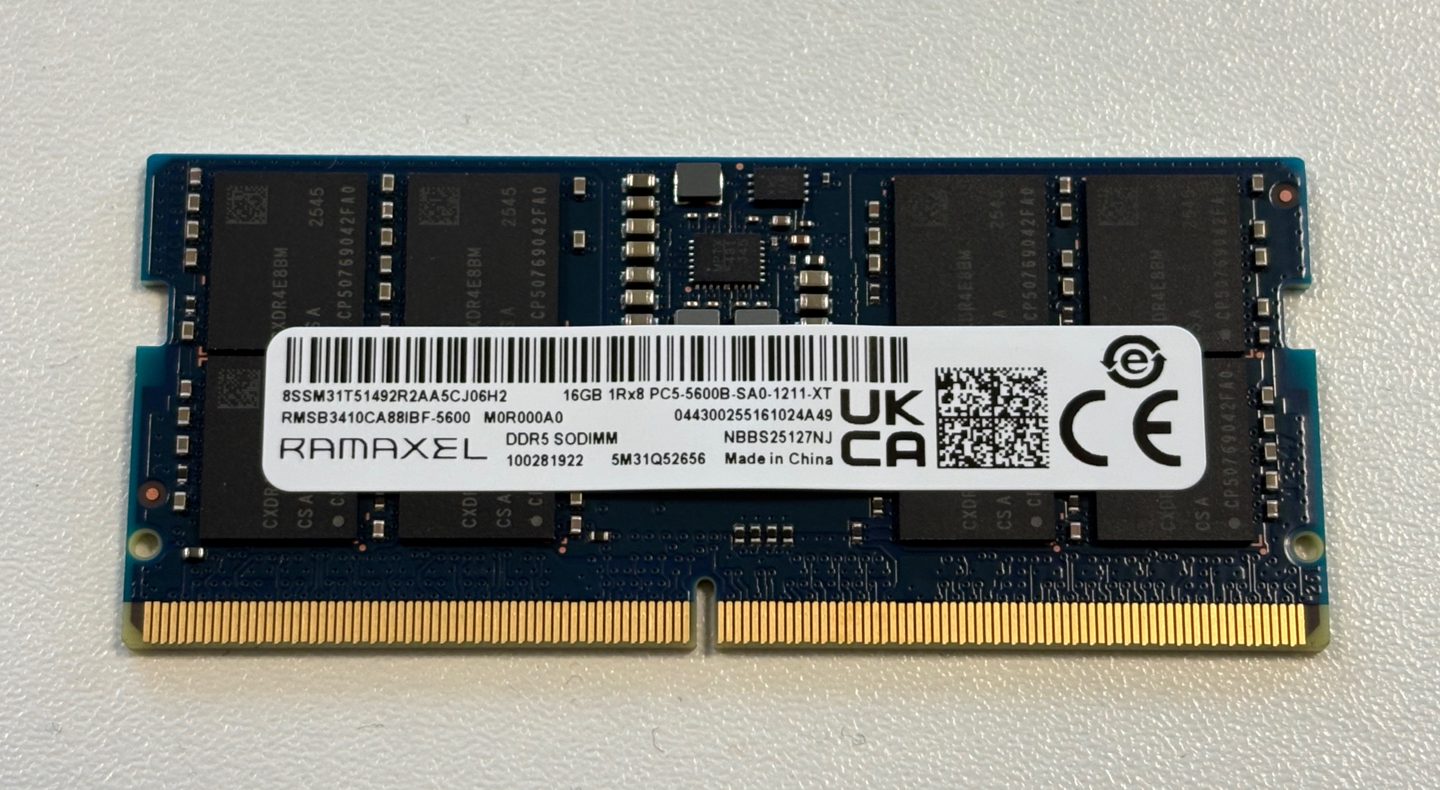
CXMT, formally ChangXin Memory Technologies, is a Chinese company that makes DRAM — the memory chips found in nearly every phone, laptop, and AI server. In July 2026 it became the center of global chip-market attention when its Shanghai stock exchange debut closed up 466% in a single day, instantly making it mainland China’s most valuable publicly listed company. The surge mattered beyond one stock ticker: it signaled how tight the worldwide supply of memory chips has become as AI data centers buy up every gigabyte they can, and how seriously Beijing is backing a domestic alternative to the three companies — Samsung, SK Hynix, and Micron — that have long controlled the DRAM market.
What is CXMT?
ChangXin Memory Technologies was founded in 2016 in Hefei, the capital of China’s Anhui province, with the goal of building a domestic DRAM industry from scratch. Within a decade it became the only Chinese company to mass-produce DRAM, the type of memory chip that temporarily holds the data a processor is actively working with — unlike flash storage, which holds files long-term. CXMT is heavily state-linked: government-connected investors, including Hefei’s municipal investment vehicles and China’s national semiconductor fund, hold roughly a third of the company. That backing reflects Beijing’s push for chip self-sufficiency after Washington restricted China’s access to advanced semiconductor technology.
What it makes, and where it ranks
CXMT produces DDR4 and DDR5 chips — the standard memory used in PCs and servers — along with LPDDR variants built for phones, tablets, and other battery-powered devices. It began shipping DDR5 chips in 2025 and is now developing high-bandwidth memory (HBM), the specialized, stacked memory that sits next to AI chips inside data-center accelerators. By market share, CXMT is still a distant fourth in global DRAM — roughly 4-6% as of 2025, compared with the more than 90% that Samsung, SK Hynix, and Micron hold between them. But it is the fastest-growing of the four, and the only one based in China.
Why the IPO was such a shock
CXMT listed on Shanghai’s STAR Market on July 27, 2026, raising about ¥57.9 billion ($8.6 billion) — Asia’s largest IPO of the year. Shares priced at ¥8.66 closed the day near ¥49, a 466% first-day gain that pushed CXMT’s market capitalization to roughly $485 billion, overtaking Industrial and Commercial Bank of China to make it mainland China’s single most valuable listed company. Trading volume that day, about ¥141 billion, set a record for a single stock on a Chinese exchange. The rally didn’t happen in a vacuum: CXMT’s first-quarter 2026 revenue had jumped more than sevenfold year-on-year as global memory prices spiked, driven largely by AI data centers competing for the same chip supply that phones and PCs also need.
Why it matters beyond one stock
The DRAM market has effectively been an oligopoly for two decades, and memory has become one of the tightest bottlenecks in AI hardware — training and running large models depends on huge amounts of fast memory, and shortages push up the price of everything from graphics cards to laptops. A credible fourth DRAM producer, backed by the Chinese state and growing quickly, changes that dynamic — part of why Washington has already restricted CXMT: the US barred federal agencies from buying its chips in 2022, and the Department of Defense added CXMT to a list of Chinese military-linked companies in mid-2026. Investors read the IPO as a bet that global memory shortages will persist for years and that China intends to compete directly for that market rather than stay dependent on foreign suppliers. Some analysts also see the size of the first-day pop as a sign of speculative excess in Chinese tech stocks generally, not just a rational repricing of CXMT’s prospects.
In the news
For the numbers behind the debut itself, see our brief on CXMT’s record-breaking IPO.