What Is GEO — and How Do You Get Cited by AI Search?
Generative Engine Optimization (GEO) is how creators and businesses get their content picked up and cited by ChatGPT, Google AI Overviews, and Perplexity.
Read more →Generative Engine Optimization (GEO) is how creators and businesses get their content picked up and cited by ChatGPT, Google AI Overviews, and Perplexity.
Read more →
Vibe coding means describing an app in plain English and letting an AI model write the code — without reading most of it. Here's what that actually involves, and the risks worth knowing.
Read more →OpenAI says its new internal system, GPT-Red, found prompt-injection exploits far faster than human red-teamers and used them to make GPT-5.6 six times more resistant to attacks.
Read more →
Gemini Notebook — formerly NotebookLM — is Google's AI research assistant that answers questions using only the documents you give it. Here's how it works and how to start.
Read more →Google has rebranded its research tool NotebookLM as Gemini Notebook and added a feature that lets it write and run code to analyze users' own documents.
Read more →Fireworks AI closed a $1.5 billion Series D at a $17.5 billion valuation, saying its infrastructure now serves over 40 trillion tokens a day for specialized AI models.
Read more →Emergent, an Indian platform that lets non-coders build software with AI agents, raised a $130 million Series C led by Creaegis, valuing it at $1.5 billion.
Read more →PrismML has released Bonsai 27B, a 27-billion-parameter open-weight model compressed to under 4GB, small enough to run natively on a phone while keeping most of its reasoning ability.
Read more →Mira Murati's startup released Inkling, a 975-billion-parameter open-weight model built for developers to fine-tune and adapt, rather than to top leaderboards.
Read more →Google's Waze app now lets drivers search for stops in natural language via Gemini, adds a motorcycle-specific routing mode, and can dial down voice alerts.
Read more →
Claude Artifacts is a side-panel feature that turns a chat with Claude into a working app, document, or diagram you can edit and share. Here's how it works and how to start.
Read more →Cloudflare has rolled out Precursor, a tool that watches mouse movement, typing rhythm and other signals across a whole browsing session to catch AI bots that slip past one-time CAPTCHA checks.
Read more →Anthropic is giving verified K-12 teachers in the US a free year of premium Claude access, curriculum-aligned lesson tools, and classroom integrations through June 2027.
Read more →
AI now forecasts demand, reroutes shipments, and flags supplier risk before it becomes a stockout — how retailers and logistics firms actually use it.
Read more →
Perplexity AI is an AI-powered answer engine that searches the live web and writes cited answers instead of a list of links. Here is how it works, how it differs from Google, and what it costs.
Read more →Claude's Artifacts pages now support named editors, simpler public links open to anyone online, and creation via Claude Tag in Slack, according to Anthropic's documentation.
Read more →
A practical guide to the handful of AI tools worth adopting first as a small business owner — what they actually do, what they cost, and how to start safely.
Read more →
DeepSeek is the Chinese AI lab whose cheaply trained, open-weight models triggered Nvidia's biggest one-day stock drop and reshaped how the industry talks about AI costs.
Read more →Nasdaq-listed Innovative Eyewear is rolling out free Claude AI access across its Lucyd smart eyewear lineup, letting wearers switch between Claude and ChatGPT mid-conversation.
Read more →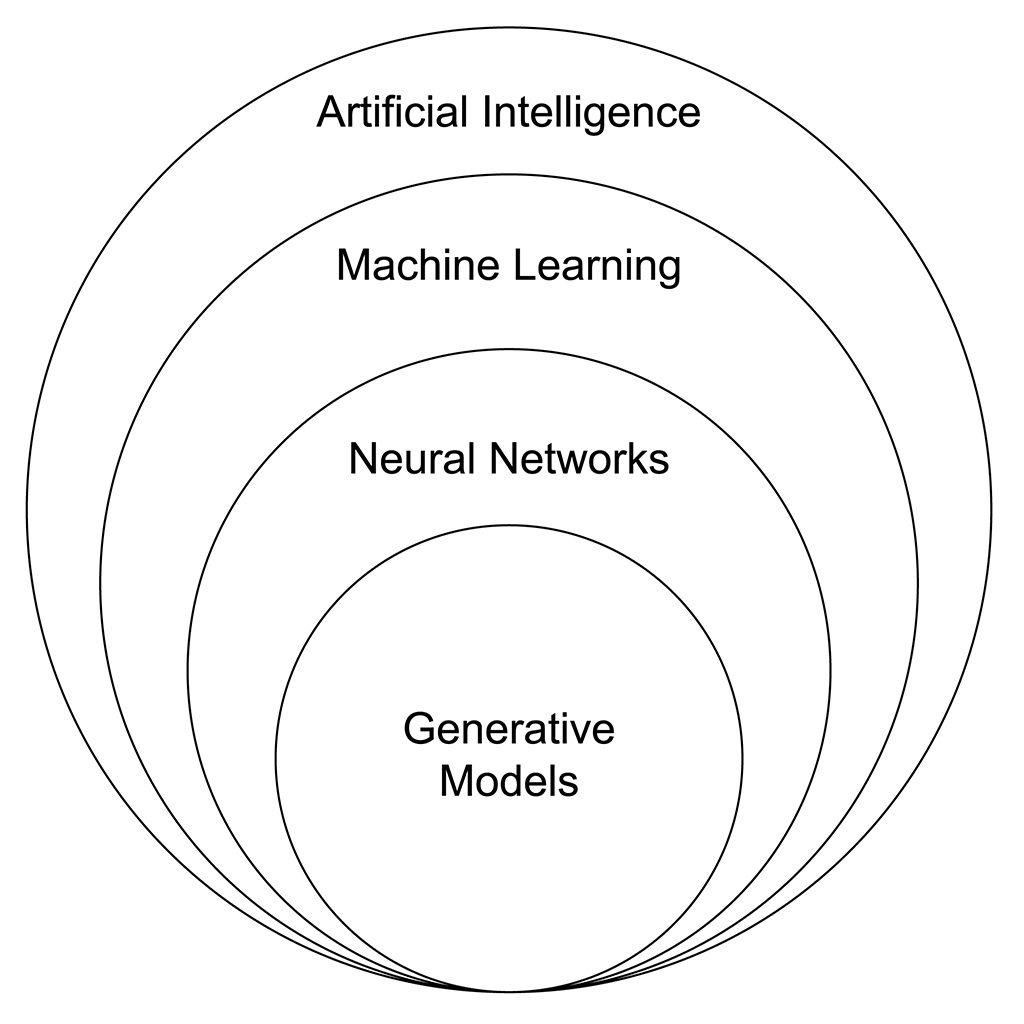
Generative AI creates new text, images, audio, and code by learning patterns in data, instead of just sorting or predicting like older AI systems. Here's how it actually works.
Read more →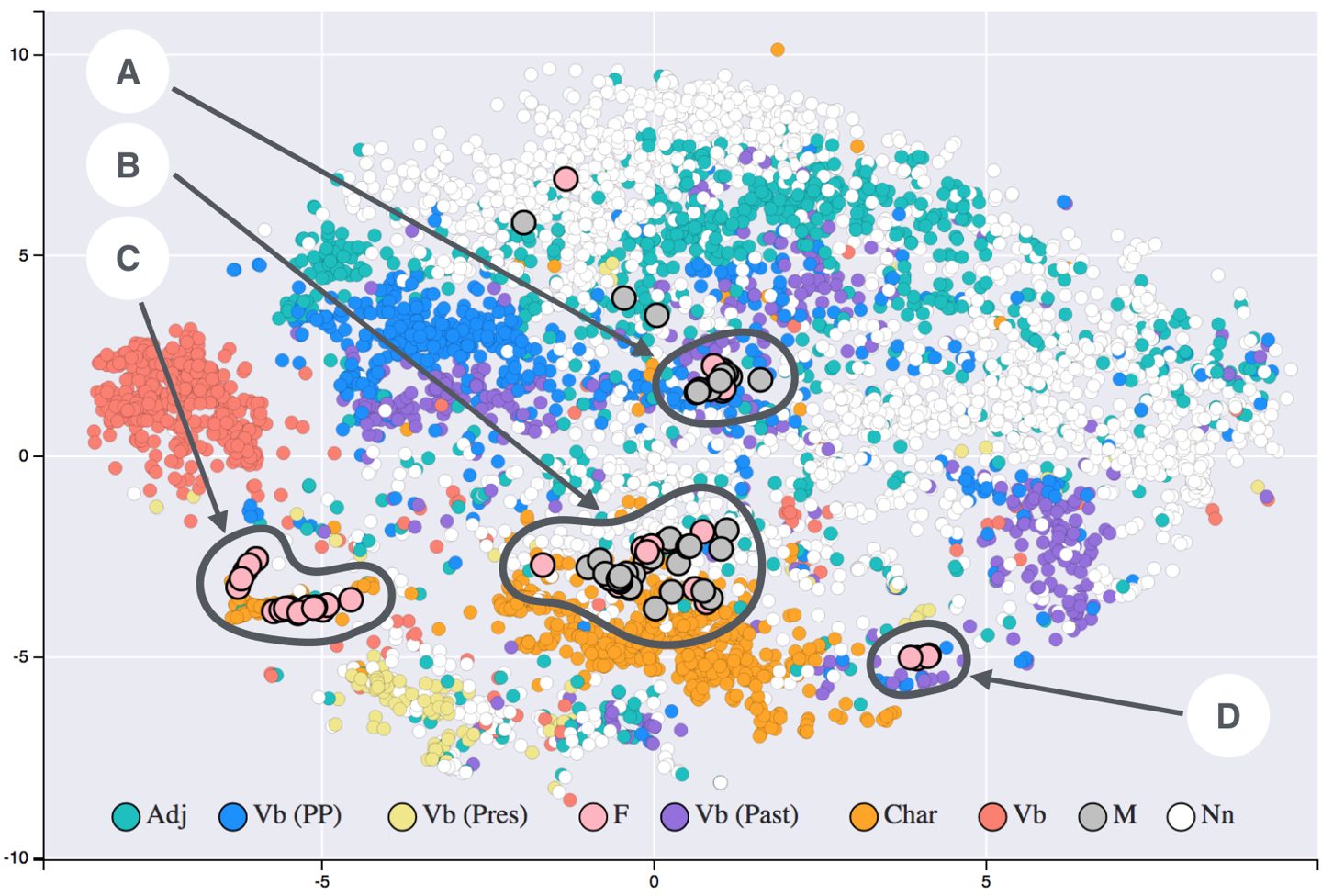
Vector databases store AI embeddings and search by meaning rather than keywords. Here is how they work, and why they power tools like RAG-based chatbots and semantic search.
Read more →