What Is the AI Bubble — and How Would We Know If It Popped?
The AI boom shares real warning signs with the dot-com bubble — and real differences. Here's the actual debate over valuations, spending, and revenue, in plain terms.
Read more →This project is suspended: no new articles or editions will be published. The archive stays available.
The AI bubble is the debate over whether today’s soaring AI valuations and record capital spending are outrunning what the technology actually delivers, raising the risk of a sharp market correction. This hub tracks warnings from economists and investors, comparisons to past tech bubbles like the dot-com era, and the earnings and spending data that bear on the question.
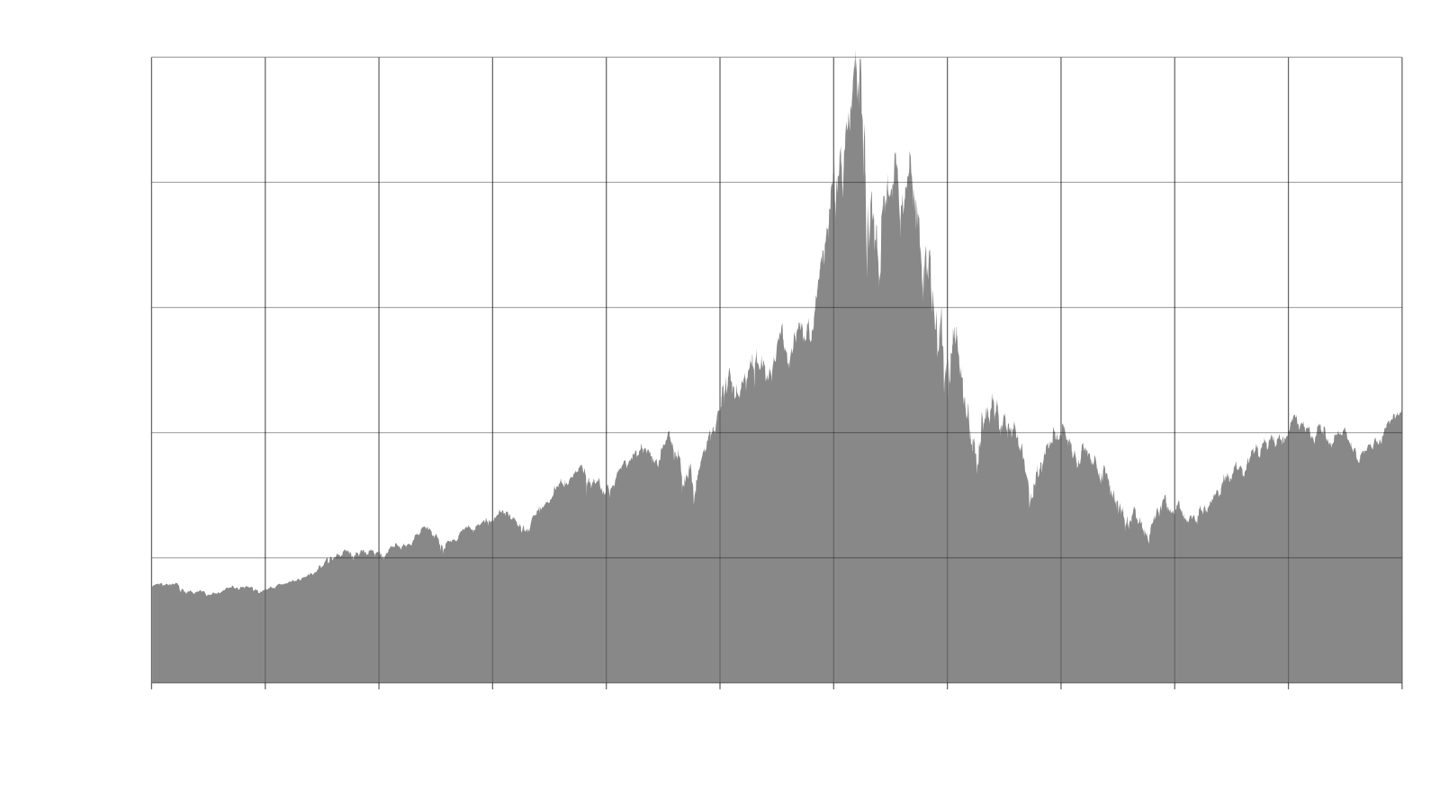
The AI boom shares real warning signs with the dot-com bubble — and real differences. Here's the actual debate over valuations, spending, and revenue, in plain terms.
Read more →
Capital expenditure — capex — is what tech giants spend building AI data centers and chips. Here's what it means when that spending pushes a profitable company's free cash flow negative.
Read more →Alphabet posted its first quarterly free-cash-flow deficit as AI spending pushed capital expenditures to a record $44.9 billion, and raised its 2026 capex outlook to $205 billion.
Read more →
Kimi K3 is a giant open-weight AI model from China's Moonshot AI. Here's what it is, who built it, and why its release rattled Nvidia and chip investors.
Read more →Apple's market value briefly surpassed Nvidia's on July 17 after Moonshot AI's Kimi K3 model revived doubts about AI infrastructure spending, though Nvidia reclaimed the lead by the close.
Read more →
Circular AI financing is the web of equity stakes, loans, and purchase deals linking chipmakers, cloud providers, and AI labs — and central banks now call it a systemic risk.
Read more →
DeepSeek is the Chinese AI lab whose cheaply trained, open-weight models triggered Nvidia's biggest one-day stock drop and reshaped how the industry talks about AI costs.
Read more →
A secondary market valuation prices a private company by what its existing shares fetch between investors, not a funding round or IPO. Here's how it works, and why it can mislead.
Read more →OpenAI is leaning toward pushing its stock market debut to 2027, with CEO Sam Altman rejecting any listing price below $1 trillion even as advisers flag tech market volatility.
Read more →