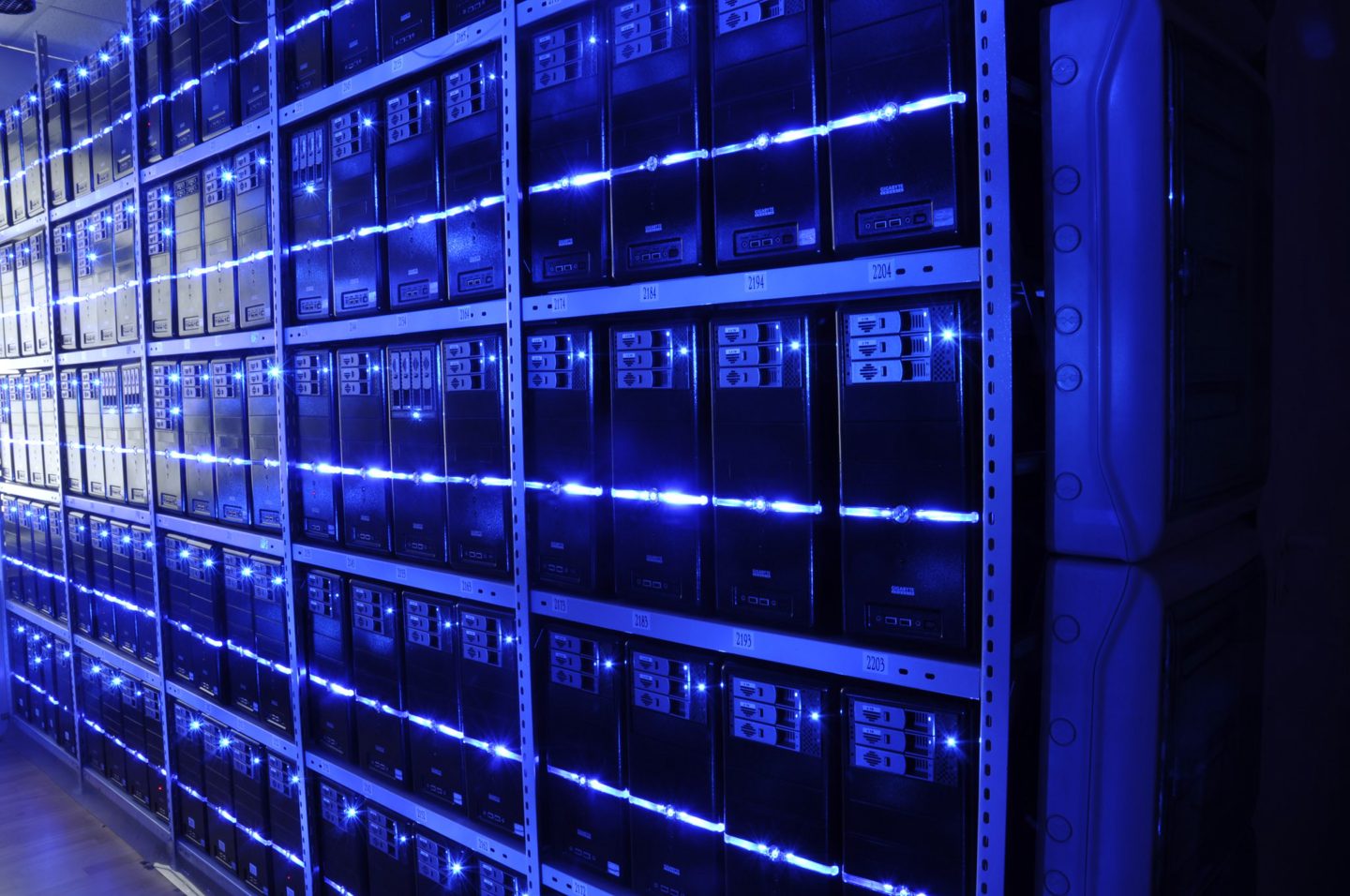
Capital expenditure — capex for short — is the money a company spends buying or building assets that last for years: factories, machinery, or, for today’s tech giants, the data centers and chips that run artificial intelligence. Alphabet, Amazon, Microsoft, and Meta have pushed capex to levels once reserved for oil pipelines and telecom networks — and for some of them, the spending is now outrunning the cash their businesses generate. That’s the story behind a once-obscure metric, free cash flow, suddenly making headlines: a hugely profitable company can still post a cash deficit if it’s investing enough of that profit back into itself.
What capex actually is
Accountants split spending into two buckets. Operating expenses (opex) — salaries, electricity, rent — get used up within a year and are deducted from profit immediately. Capex buys something that keeps producing value for years, so it’s capitalized on the balance sheet and depreciated gradually instead of expensed all at once. A server rack, a new office building, or a custom AI chip are all capex; the cloud bill a startup pays to rent someone else’s servers is opex for the startup, even though building that cloud was capex for the provider.
Free cash flow is what’s left of a company’s operating cash after capex is subtracted. It’s the cash actually available to pay down debt, buy back stock, or pay dividends — money that hasn’t already been committed to buildings and hardware. As long as capex grows slower than operating cash flow, free cash flow keeps rising. When capex grows faster, free cash flow shrinks — and if it grows fast enough, free cash flow goes negative even at a company that is solidly profitable on paper.
Why AI capex is exploding
Training and running large AI models takes enormous amounts of specialized hardware: GPU and TPU clusters, the power and cooling to run them, and the data centers to house it all. Analysts estimate Alphabet, Amazon, Microsoft, and Meta will collectively spend close to $700 billion on capex in 2026 alone — nearly double what they spent the year before — and research firm CreditSights puts roughly three-quarters of that directly into AI infrastructure: GPUs, servers, networking gear, and buildings.
None of the four wants to fall behind on AI compute capacity, because running short of it means losing customers to a rival with more servers to sell access to. That competitive pressure is what turns a normal capex cycle into what analysts now call an AI infrastructure arms race, with companies raising their spending guidance almost every quarter to keep pace with each other.
What negative free cash flow signals
A negative free-cash-flow print doesn’t automatically mean a company is in trouble — it can simply mean it chose to plow investment-grade profits into assets rather than bank them. Alphabet, for instance, remains highly profitable on an operating basis even as record capex pushed its quarterly free cash flow into deficit for the first time in years. The real question for investors is what those assets return: if the data centers and chips generate enough future AI revenue, the deficit is temporary. If demand for AI services doesn’t grow into the capacity being built, it isn’t.
That uncertainty is why hyperscalers increasingly fund the gap with debt and leases rather than cash on hand, and why a wave of specialized GPU-cloud providers — neoclouds — has grown up to help finance and rent out AI infrastructure on the industry’s behalf. Investors watching these numbers aren’t questioning whether AI is being adopted across business — that part is already happening — they’re asking whether the returns will show up fast enough to make the spending pay off.
In the news
Alphabet became the latest hyperscaler to post a quarterly free-cash-flow deficit, as record AI capital spending pushed its 2026 capex outlook to $205 billion — see our report on Alphabet’s cash-flow reversal.