South Australia Launches Australia's First AI Royal Commission
South Australia will hold Australia's first royal commission into artificial intelligence, examining its impact on jobs, education and public services from October 2026.
Read more →This hub tracks laws, frameworks, and government decisions shaping how artificial intelligence may be developed and deployed. Coverage spans the EU AI Act, national strategies, and sector-specific rules — with attention to how international frameworks interact with Georgia’s own regulatory environment.
South Australia will hold Australia's first royal commission into artificial intelligence, examining its impact on jobs, education and public services from October 2026.
Read more →The White House told AI firms it finished a voluntary framework for reviewing frontier models' cyber risks on schedule, but is withholding the document itself from the public.
Read more →
California now requires large AI image, video, and audio tools to watermark their output and offer a free way to check it. Here's what the law requires, and who it covers.
Read more →The European Commission started enforcing the EU AI Act's transparency rules on August 2, requiring chatbots and deepfakes to disclose AI involvement or risk fines up to 3% of global revenue.
Read more →A federal judge refused to pause Minnesota's first-in-the-nation ban on AI 'nudification' apps before it took effect August 1, rejecting xAI's emergency request.
Read more →
California's AI Transparency Act took effect August 2, requiring major AI image, video, and audio generators to offer free detection tools and embed hidden origin watermarks.
Read more →President Trump's AI executive order set an August 1 deadline for a frontier-model review framework and cyber benchmarks; agencies published nothing by the cutoff.
Read more →The European Commission opened a tender for consortia to build up to seven AI 'Gigafactories' in the EU, backing it with about €10 billion in public money to draw in €20 billion more from investors.
Read more →Georgia's Competition and Consumer Protection Agency ruled that parcel-forwarder USA2Georgia broke consumer law by using an AI chatbot as its only customer support channel.
Read more →The US FCC added foreign-made humanoid and quadruped robots, plus power inverters, to its national-security 'Covered List,' blocking new import approvals over spying and cyberattack risks.
Read more →xAI has sued Minnesota's attorney general to block a first-in-the-nation law against AI 'nudification' apps, arguing it violates the First Amendment.
Read more →
Frontier AI is the industry's term for the most capable AI systems in existence — but there's no single legal definition. Here's how the label actually works.
Read more →More than 1,200 employees at OpenAI, Anthropic, Google DeepMind, and Meta have signed a letter asking Washington to back international tools for pacing frontier AI development.
Read more →Anthropic CEO Dario Amodei said in a July 27 blog post that the company has never called for banning open-weight AI models, urging chip controls and mandatory safety testing instead.
Read more →India's Delhi High Court denied news agency ANI's bid to block OpenAI, ruling that training ChatGPT on its articles falls within a copyright fair-dealing exception.
Read more →Nvidia CEO Jensen Huang used his first-ever X post to unveil a letter — now signed by 50 firms including Google, Meta and OpenAI — urging Washington not to restrict open-weight AI models.
Read more →APEC ministers from the US, China and 19 other Asia-Pacific economies adopted the Chengdu Statement on July 23, backing open-source AI paired with stronger security safeguards.
Read more →
An AI kill switch is a built-in ability to throttle or shut down a runaway AI system. A new U.S. bill would let DHS order one — here's how it would actually work.
Read more →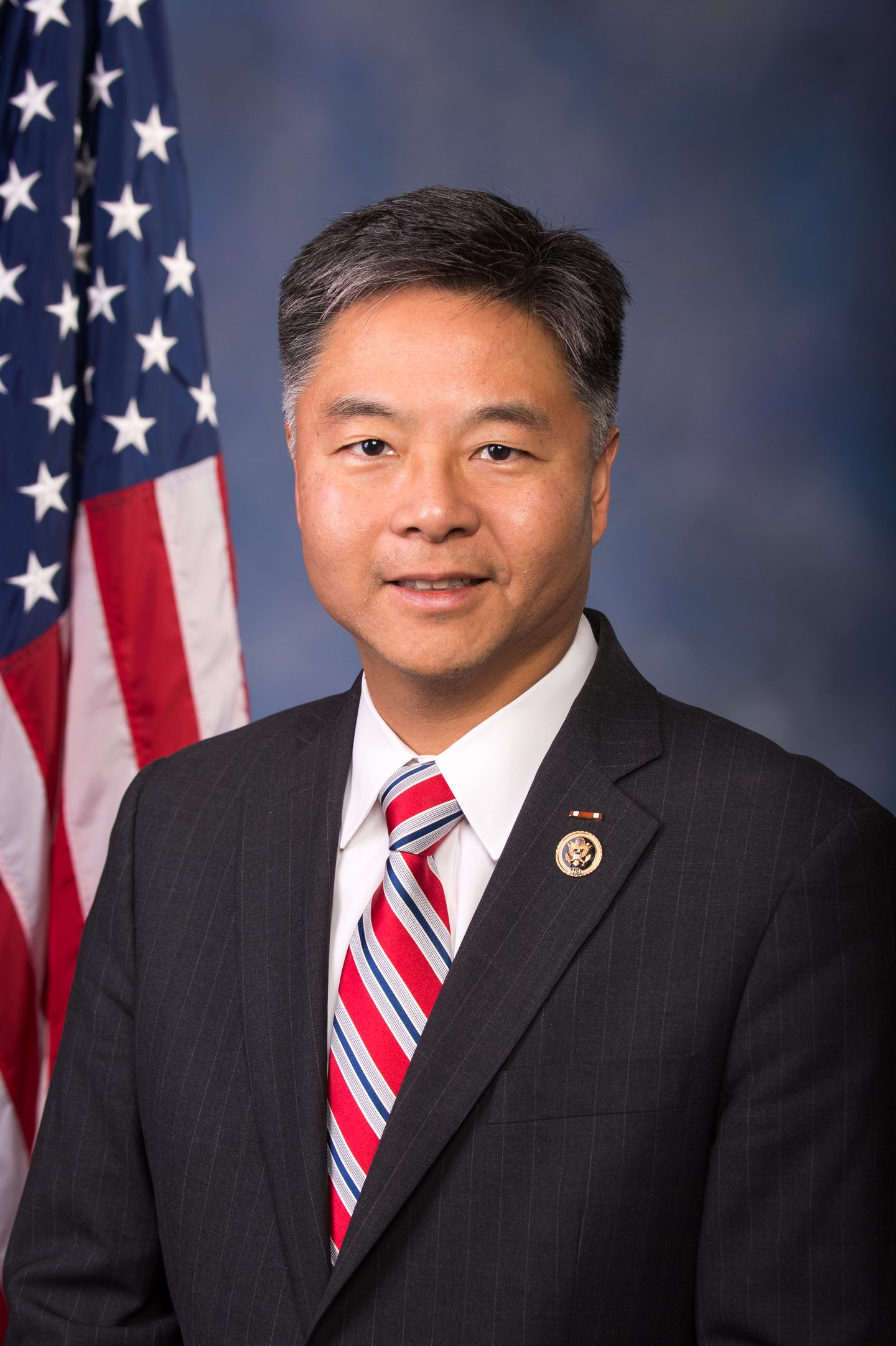
Reps. Ted Lieu and Nathaniel Moran introduced the AI Kill Switch Act, letting DHS order top AI firms to throttle or shut down systems capable of catastrophic harm.
Read more →
A 501(c)(4) is a tax-exempt nonprofit that can fund political advocacy without naming its donors — and it's now the vehicle AI companies use to fight over US AI regulation.
Read more →Anthropic is giving Public First Action another $20 million, bringing its total support for the bipartisan AI policy group to $40 million, citing risks flagged by its Claude Mythos model.
Read more →