Georgia's AI Team Wins Seven Medals at IOAI 2026
Georgia's national AI team won two gold, three silver, and two bronze medals at the International Olympiad in Artificial Intelligence in Kazakhstan, ranking seventh among 109 countries.
Read more →This hub covers artificial intelligence in education — new tools for learners and teachers, AI-powered platforms entering classrooms, and initiatives making AI knowledge more accessible. We highlight what is relevant to Georgia, from universities and schools to self-learners building new skills.
Georgia's national AI team won two gold, three silver, and two bronze medals at the International Olympiad in Artificial Intelligence in Kazakhstan, ranking seventh among 109 countries.
Read more →OpenAI is giving free access to advanced ChatGPT models to 10,000 academic researchers this summer, aiming to expand to 100,000 by 2027, backed by a $250 million research commitment.
Read more →Georgia inaugurated a technology hub in Kutaisi's former parliament building on July 24, combining an AI computing center, a technopark and a TUMO school branch for teenagers.
Read more →Four Georgian high schoolers swept gold, silver and bronze at the inaugural Central European AI Olympiad in Romania, placing the country fourth among more than 20 nations.
Read more →
AI text detectors promise to spot writing produced by ChatGPT, Claude, or Gemini, but independent testing shows they routinely misfire — especially on non-native English writers.
Read more →
IOAI is an annual competition where teams of secondary-school students from over 100 countries test machine learning, NLP, and computer vision skills. Here's how it works.
Read more →Eight Georgian students trained through a nonprofit's AI Olympiad course, backed by TBC Bank, will represent Georgia at the International Olympiad in Artificial Intelligence in Astana this August.
Read more →Anthropic is giving verified K-12 teachers in the US a free year of premium Claude access, curriculum-aligned lesson tools, and classroom integrations through June 2027.
Read more →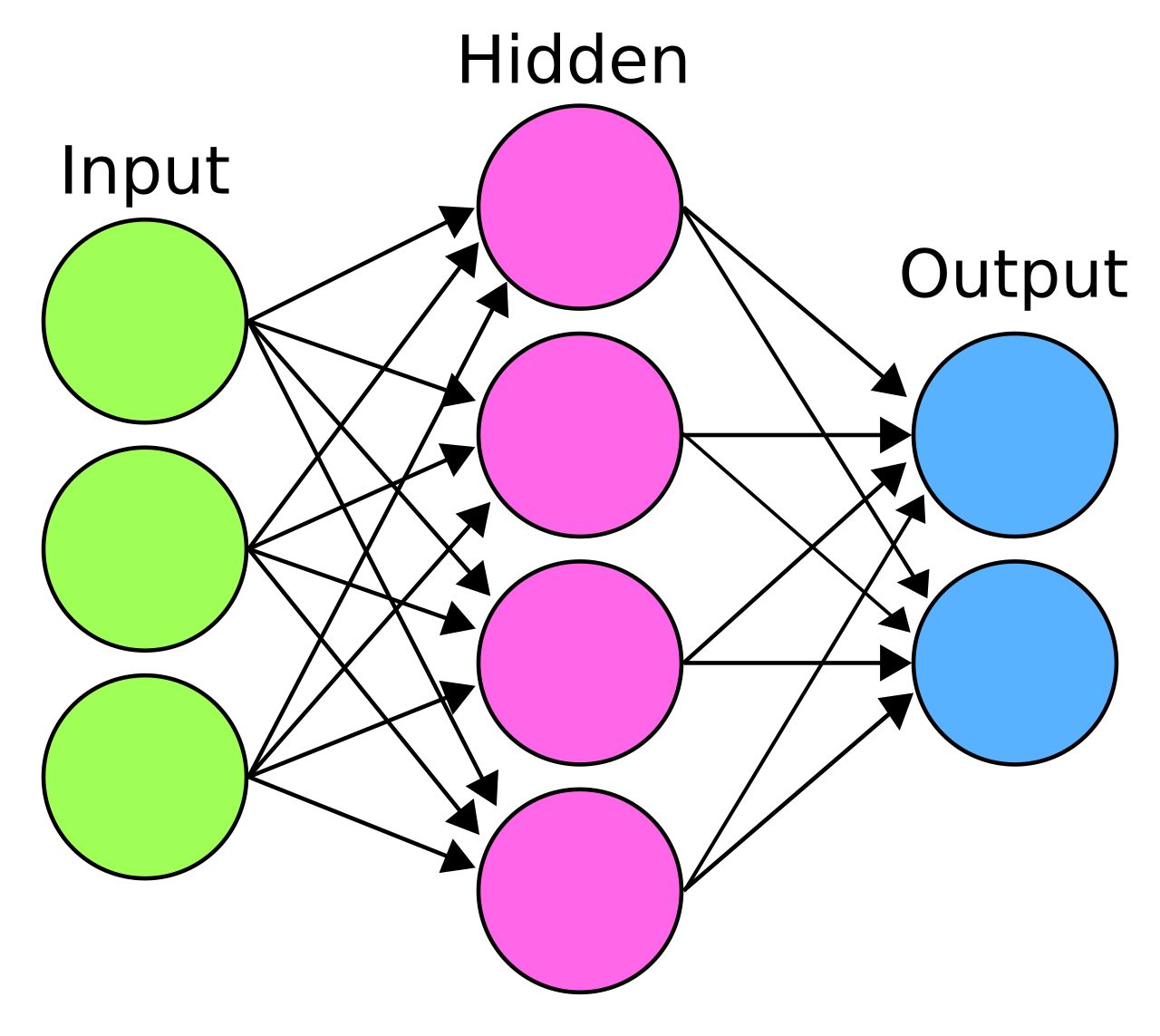
A plain-language glossary of the AI terms you'll actually run into — from large language model and token to RLHF, hallucination, and AI agent.
Read more →
A practical guide to AI courses in Georgia — from GAIA's six-hour beginner primer to Smart Academy's bootcamp and TBC Tech School's free course for students, with real prices.
Read more →Machine learning is the branch of AI where software learns patterns from data instead of following hand-written rules. Here's how it actually works.
Read more →A peer-reviewed study argues universities focus too much on catching AI-assisted cheating and should instead redesign teaching and assessment for a workplace where AI use is routine.
Read more →AI bias is a systematic error in AI systems that produces unfair results for specific groups, shaping decisions in hiring, healthcare, and criminal justice. Here is what causes it and how to recognize it.
Read more →AI in education means tools that adapt to each student's pace, provide instant tutoring feedback, and free teachers from routine tasks — from intelligent tutors to automatic lesson planners.
Read more →Artificial intelligence is the ability of computer systems to perform tasks that normally require human intelligence — and it already shapes how we search, communicate, and work. Here is what it is, how it works, and how to start using it.
Read more →A practical guide to using AI tools for upskilling: what skills are worth learning, how to use AI as a personal tutor, and where to start — at any career stage.
Read more →AI is reshaping the workforce, displacing some roles while creating new ones. Here is what the research shows about which jobs are at risk, which are safe, and what to learn.
Read more →RAISE US, a nonpartisan nonprofit co-chaired by former US Commerce Secretary Gina Raimondo, launched June 25 with over $500 million from more than 25 companies to retrain American workers displaced by AI.
Read more →Microsoft's third annual AI in Education Report, surveying 3,345 educators and students across six countries, finds near-universal AI adoption in schools alongside a critical gap in formal guidance and training.
Read more →