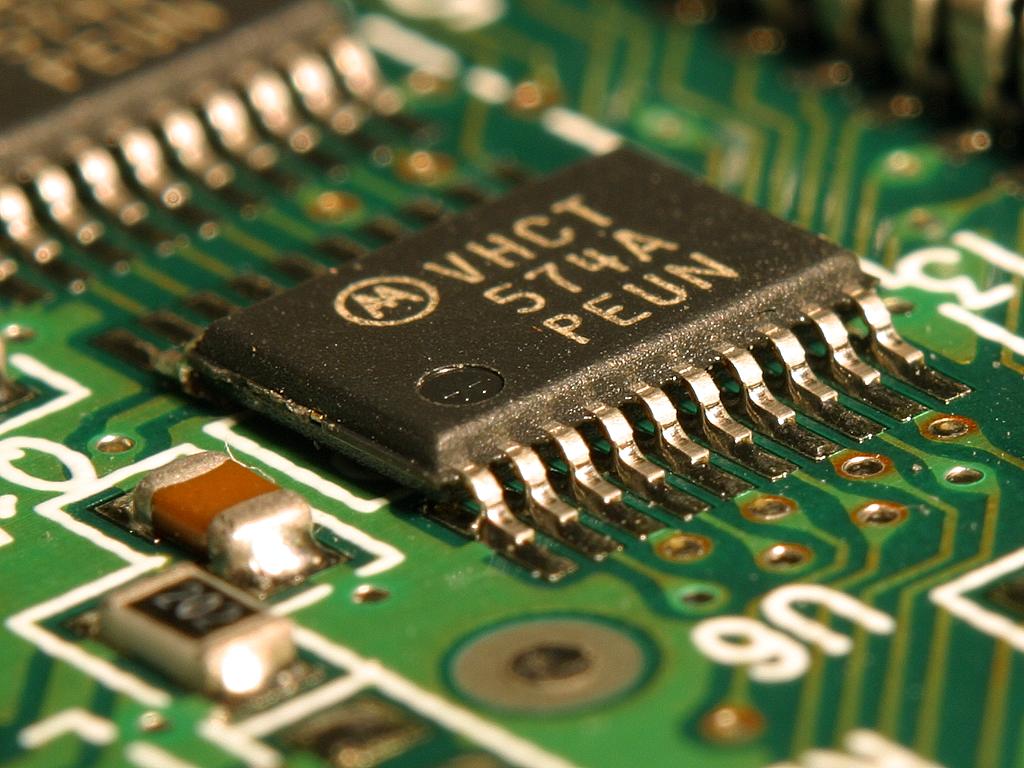
What Is an ASIC — and How Is It Different From a GPU?
ASICs are chips hardwired for one job. Here's what makes application-specific AI chips different from general-purpose GPUs, and why some AI companies build their own.
Read more →This project is suspended: no new articles or editions will be published. The archive stays available.
ASICs are chips hardwired for one job. Here's what makes application-specific AI chips different from general-purpose GPUs, and why some AI companies build their own.
Read more →
Test-time compute lets an AI model “think” longer before answering. It's reshaping how AI labs spend money — and why chipmakers are racing to build hardware for it.
Read more →Chipmaker Etched is negotiating a funding round that would value it at $20 billion, quadrupling its December price, as investors chase alternatives to Nvidia for AI inference, the Wall Street Journal reported.
Read more →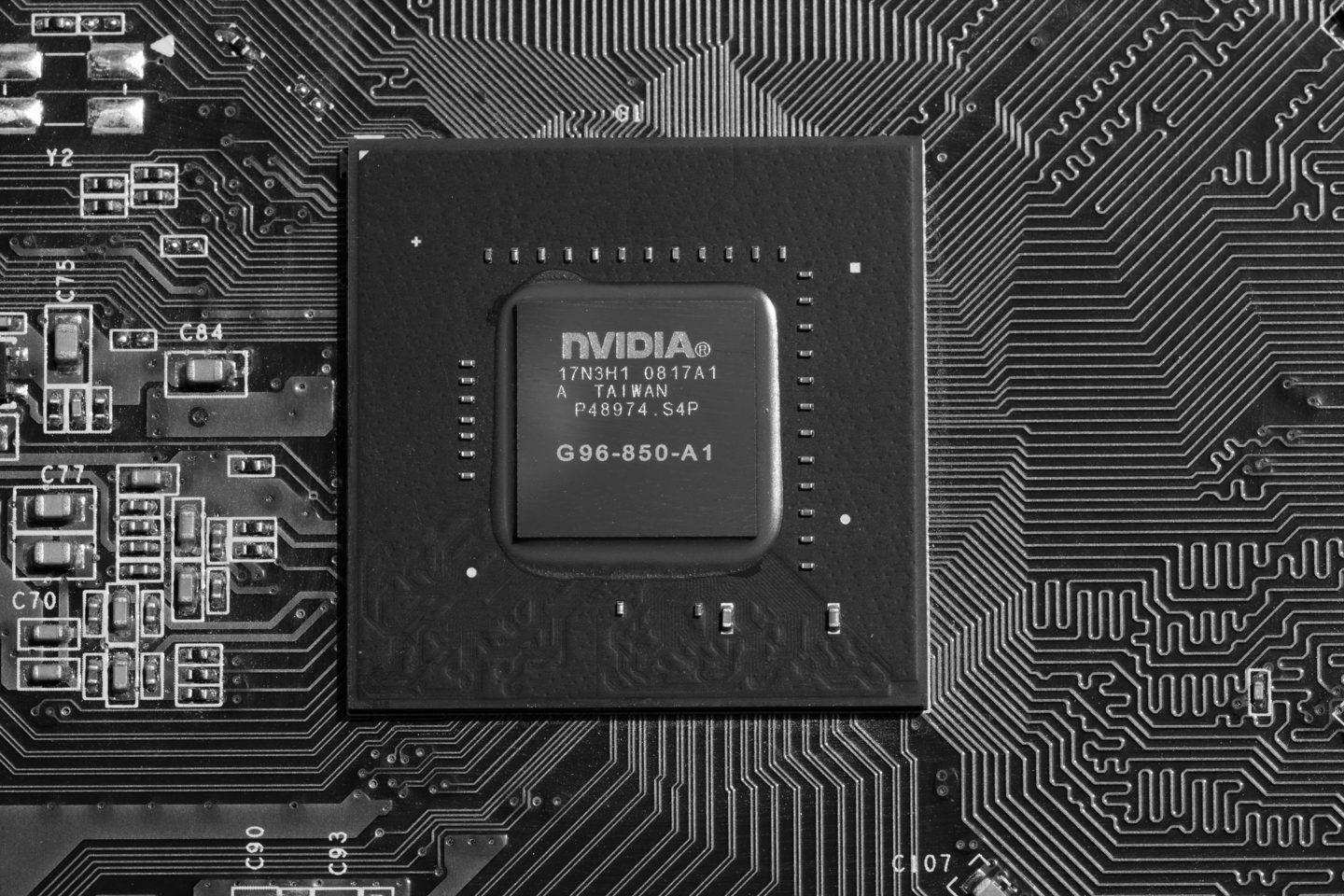
A GPU is a chip built to do thousands of simple calculations at once. That's exactly what training and running AI models requires, which is why GPUs became the AI industry's most valuable hardware.
Read more →
US export controls don't ban AI chips by name — they trigger on two calculated numbers, Total Processing Performance and Performance Density. Chipmakers are now designing chips to fall under them.
Read more →Shanghai startup Dongfang Suanxin unveiled its DF1000 AI chip on July 13, bypassing US export curbs with 3D memory stacking instead of banned high-bandwidth memory.
Read more →Intel will invest €5 billion to expand its Leixlip campus in Ireland, adding capacity for Xeon server processors as AI data center demand strains chip supply.
Read more →UST, an engineering services firm serving chipmakers and manufacturers, says integrating Anthropic's Claude into its hardware validation platform cut test cycles by up to 70%.
Read more →
A semiconductor foundry manufactures chips designed by other companies — and one company, TSMC, makes nearly every advanced AI chip in the world. Here's how the business works.
Read more →Taiwan Semiconductor reported a 68% year-over-year jump in June revenue, as AI chip orders continue to outstrip its production capacity ahead of full Q2 earnings on July 16.
Read more →
The US sorts every country into an export-control tier that decides whether an AI chip can ship there without a license — here's how the system actually works.
Read more →The Commerce Department reclassified the UAE as a trusted export partner on July 10, letting a short list of approved companies ship AI chips and servers there without individual licenses.
Read more →Meta plans to begin manufacturing its in-house "Iris" AI chip in September, aiming to double its data center computing capacity to 14 gigawatts by 2027, an internal memo reviewed by Reuters shows.
Read more →SambaNova closed the first tranche of a $1 billion Series F round led by General Atlantic, and said JPMorganChase will deploy its chips for on-premises AI inference.
Read more →Intel- and Microsoft-backed chipmaker Syntiant filed to list on Nasdaq under ticker SYTN, betting on demand for its low-power, on-device 'Physical AI' processors.
Read more →Chinese technology company Meituan has released LongCat-2.0, a 1.6-trillion-parameter coding model trained entirely on domestic Chinese chips, under the MIT License — the first frontier-class open-source model built without Western semiconductors.
Read more →A plain-language guide to AI export controls: what they are, how the US applies them to AI chips and model weights, and what the June 2026 Fable 5 incident revealed about enforcement.
Read more →President Lee Jae Myung unveiled a sweeping national strategy on June 29, committing at least $880 billion from Samsung, SK Hynix, and major Korean conglomerates to semiconductors, AI infrastructure, and data centers through 2035.
Read more →Samsung Group pledged 1,000 trillion won ($648 billion) at a South Korean government briefing on June 28, with over 350 trillion won targeting AI data centers and semiconductor factories across the country over ten years.
Read more →HBM is a specialized memory technology that stacks chips vertically to deliver 10–20× the data throughput of conventional DRAM — making it the critical ingredient in every major AI accelerator today.
Read more →South Korea's leading chipmaker SK Hynix plans to raise $29.4 billion via a Nasdaq ADR offering — which would be the largest in history — to fund new AI memory production capacity.
Read more →